    Bournemouth University

    Centre for Fusion Learning Innovation and Excellence

    Embedding excellence through fusion of education, research and professional practice

    • Brightspace Staff Resources
    • Learning Design Hub
    • Engaging Assessment Practices
    • GenAI Resource Hub

    Public Engagement: why it matters for research

    Posted April 12, 2016. Filed under Co-creation, Fair access, Public Engagement.

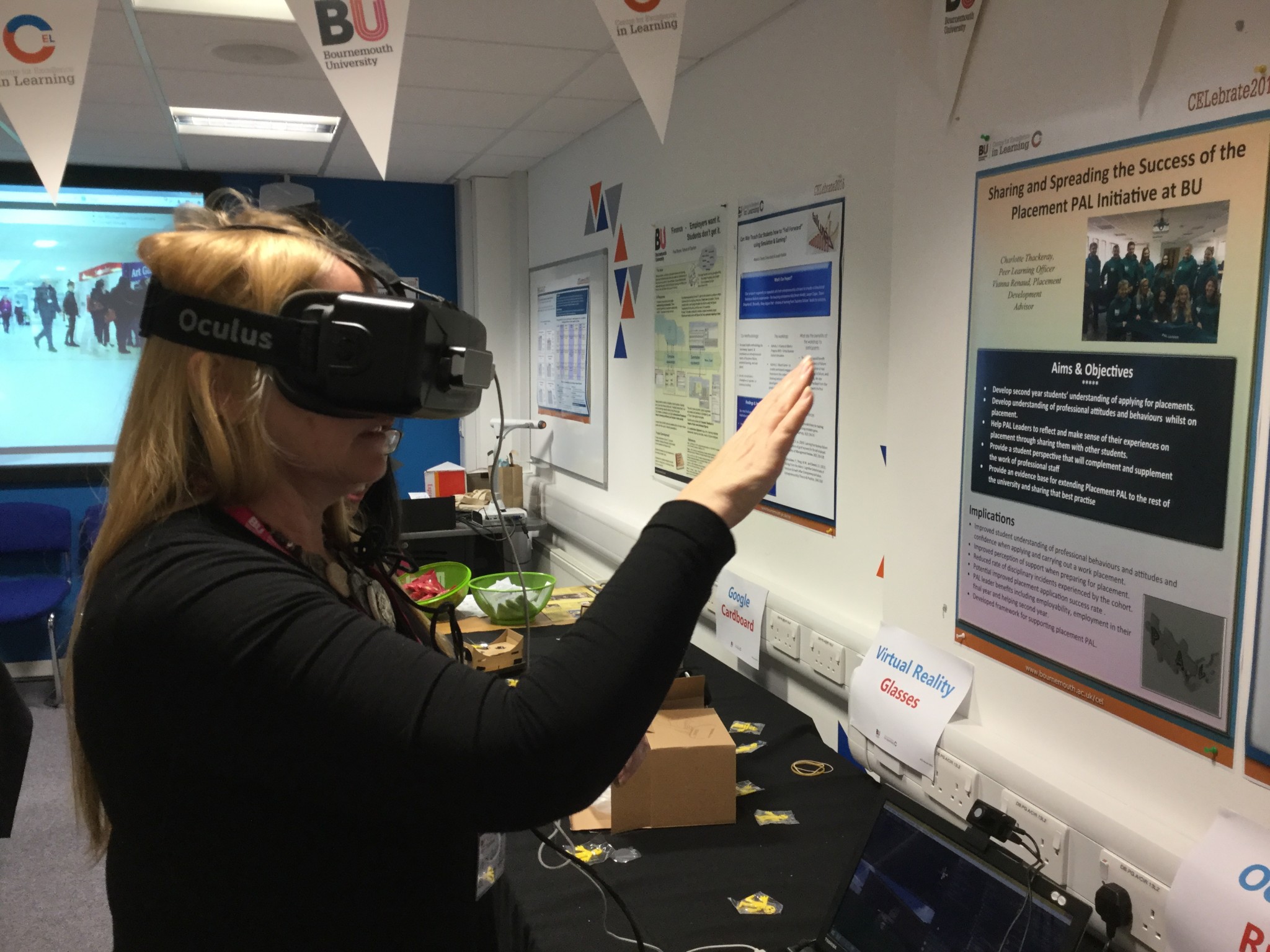
    Oculus Rift

    Our Research and Knowledge Exchange team just held a public engagement training session led by Steve Dorney. Steve heads up the University of Southampton’s Public Engagement with Research Unit. In the session Steve his expertise to support a mix of BU academics and research students from a whole host of disciplines to know more about public engagement and to find ways to embed engagement into research.

    What is public engagement ?

    The National Coordinating Centre for Public Engagement defines it as follows:

    “Public engagement describes the myriad of ways in which the activity and benefits of higher education and research can be shared with the public. Engagement is by definition a two-way process, involving interaction and listening, with the goal of generating mutual benefit.”

    Research Councils UK emphasise the importance of building “reflexive and responsive research communities” where public voices and experiences are listened to and shape research strategy.

    It can involve the general public, schools, museums, galleries, business, trade or third sector partners, or policymakers.

    Why it matters for your research:

    Public engagement is not going away.

    Engaging the public in the development and dissemination of your research is vital for economic and ethical reasons. But it is also fun and can shape your research in unexpected and creative ways.

    Looking forward to REF 2020, ensuring that your research has a sustained and engaging narrative is a critical to demonstrating the impact of your research.

    Here are some more benefits of engagement.

    Ways to engage:

    Talking about your research can be difficult. It can be hard to find the words to share complex ideas and findings with non-specialist audiences.

    Because academic disciplines have such specialised language and ways of working it can be difficult to find a common language when working in multi-disciplinary teams and with external stakeholders.

    Listening to the public and to stakeholders and learning together can both shape new research and support more accessible and inclusive ways of working. It can help develop your innovative pedagogical practice.

    There is no one way to engage. Engagement takes many forms, from talks and one of events to ongoing relationships with the public and stakeholders.

    People have an appetite for knowledge. They are curious about things that happen in universities. 

    Here are some possible ideas for engagement:

    • Public-facing events like the Festival of Learning
    • Exciting events like CELebrate 2016 this week
    • ‘Curiosity Magnets’ – things that draw people off the street – can become ways to draw people into to more focused discussions about your research.
    • Researcher cafes/pubs can act as self-sustaining ‘speed-dating’ for your research
    • Research Roadshows at festivals and public events can be a good way to quickly reach a large and diverse audience and ‘spark’ ideas and more lasting relationships.
    • Creatively using blogs can build relationships and share findings
    • The NCCPE run the Engage Awards showcasing the best work in the sector– it is important to celebrate your work!

    Sometimes public engagement can be serendipitous – it can happen organically and in ways that can’t be predicted. Embedding serendipity into your research strategy and building a focused narrative of these relationships can help shape a compelling impact case study.

    Public engagement is a two-way street; it is engagement, it is a relationship and it can change your research for the better!

    Tags: Higher Education, Research

    Leave a Reply

    Click here to cancel reply.

    Your details
    • (Your email address will not be published in your comment)

    XHTML: You can use these tags: <a href="" title=""> <abbr title=""> <acronym title=""> <b> <blockquote cite=""> <cite> <code> <del datetime=""> <em> <i> <q cite=""> <s> <strike> <strong>

    Subscribe for FLIE Blog updates

    We offer FLIE Blog updates to offer subscribers a weekly digest of posts made on the FLIE site. To subscribe to these email updates, simply subscribe below.

    Click here for more information.

    Archives

    • August 2025
    • July 2025
    • June 2025
    • May 2025
    • April 2025
    • March 2025
    • February 2025
    • January 2025
    • December 2024
    • November 2024
    • October 2024
    • September 2024
    • August 2024
    • July 2024
    • June 2024
    • May 2024
    • April 2024
    • March 2024
    • February 2024
    • January 2024
    • December 2023
    • November 2023
    • October 2023
    • September 2023
    • August 2023
    • July 2023
    • June 2023
    • May 2023
    • April 2023
    • March 2023
    • February 2023
    • January 2023
    • December 2022
    • November 2022
    • October 2022
    • September 2022
    • August 2022
    • July 2022
    • June 2022
    • May 2022
    • April 2022
    • March 2022
    • February 2022
    • January 2022
    • December 2021
    • November 2021
    • October 2021
    • September 2021
    • August 2021
    • July 2021
    • June 2021
    • May 2021
    • April 2021
    • March 2021
    • February 2021
    • January 2021
    • December 2020
    • November 2020
    • October 2020
    • September 2020
    • August 2020
    • July 2020
    • June 2020
    • May 2020
    • April 2020
    • March 2020
    • February 2020
    • January 2020
    • December 2019
    • November 2019
    • October 2019
    • September 2019
    • August 2019
    • July 2019
    • June 2019
    • May 2019
    • April 2019
    • March 2019
    • February 2019
    • January 2019
    • December 2018
    • November 2018
    • October 2018
    • September 2018
    • August 2018
    • July 2018
    • June 2018
    • May 2018
    • April 2018
    • March 2018
    • February 2018
    • January 2018
    • December 2017
    • November 2017
    • October 2017
    • September 2017
    • August 2017
    • July 2017
    • June 2017
    • May 2017
    • April 2017
    • March 2017
    • February 2017
    • January 2017
    • December 2016
    • November 2016
    • October 2016
    • September 2016
    • August 2016
    • July 2016
    • June 2016
    • May 2016
    • April 2016
    • March 2016
    • February 2016
    • January 2016
    • December 2015
    • November 2015
    • October 2015
    • September 2015
    • August 2015
    • July 2015
    • June 2015
    • May 2015
    • April 2015
    • February 2015
    • January 2015
    • December 2014
    • October 2014
    • September 2014
    • August 2014
    • June 2014
    • April 2014
    • January 2014

    Other services

    © Bournemouth University 2025. All rights reserved.

    • Charitable status
    • Website privacy & cookies
    • Copyright and terms of use