Fan, X. F.; Buhalis, D., Fragkaki, E., Tsai, YR, 2024, Achieving Senior Tourists’ Active Aging through Value Co–creation: A Customer-Dominant Logic Perspective, Journal of Travel Research. https://doi.org/10.1177/00472875231214733 

NEW RESEARCH PAPER PUBLISHED

Fan, X. F.; Buhalis, D., Fragkaki, E., Tsai, YR, 2024, Achieving Senior Tourists’ Active Aging through Value Co–creation: A Customer-Dominant Logic Perspective, Journal of Travel Research. https://doi.org/10.1177/00472875231214733

Senior tourists have their own travel behaviors and preferences and require specific resources from the tourism industry and the broader society. This study adopts customer-dominant logic to understand how participating in tourism activities can support seniors in co-creating values toward active aging. Interviews were conducted with 31 senior tourists and 16 tourism and hospitality service providers. Six value themes were identified from the interviews, namely, enjoyment, connectedness, mental vitality, independence, sense of belonging, and self-esteem. The six values were categorized into functional, social, and spiritual dimensions. A value co-creation nexus was developed with continuum- and development-oriented active aging as the two extremes. This nexus highlighted the differentiated efforts exerted by co-creators to create value and identified the value co-creation routines of stakeholders, their corresponding values, and their facilitators. Value co-creation activities were introduced into active aging with tourism as the context. The findings of this study can support the management of tourism services, promote inclusiveness in society, and aid in government policy-making.

Professor Dimitrios Buhalis has recently published a new service robots research paper based on a global survey in the hospitality industry

Professor Dimitrios Buhalis has recently published a new service robots research paper based on a global survey in the hospitality industry

Pizam, A., Ozturk, A.B., Hacikara, A., Zhang, T., Balderas-Cejudo, A., Buhalis, D., Fuchs, G., Hara, T., Vieira de Souza Meira, J., García Revilla, R., Sethi, D., Shen, Y. and State, O. (2024),

The role of perceived risk and information security on customers’ acceptance of service robots in the hotel industry, International Journal of Hospitality Management, Vol.117, 103641 https://doi.org/10.1016/j.ijhm.2023.103641

Highlights

•Perceived risk negatively and information security positively impacted intention to use service ts.

•Self-efficacy negatively influenced perceived risk, and positively influenced perceived information security.

•Innovativeness and facilitating conditions were positively associated with information security.


ABSTRACT This study proposed and tested a theoretical framework that investigated the influences of perceived risk and information security on hotel customers’ intention to use service ts. In addition, the impacts of self-efficacy, innovativeness, and facilitating conditions on perceived risk and information security were examined. Structural equation modeling (SEM) was used to test the proposed model by utilizing data collected from eleven countries including the United States, United Kingdom, Turkey, Spain, Romania, Japan, Israel, India, Greece, Canada, and Brazil. The study results demonstrated that perceived risk had a negative impact on customers’ intention to use services ts while information security had a positive impact. In addition, the study results indicated that self-efficacy negatively influenced perceived risk, and positively influenced perceived information security; and innovativeness and facilitating conditions positively influenced information security. The study findings offer several important contributions to the hospitality tics technology adoption literature and present valuable implications for hospitality practitioners and service vendors.

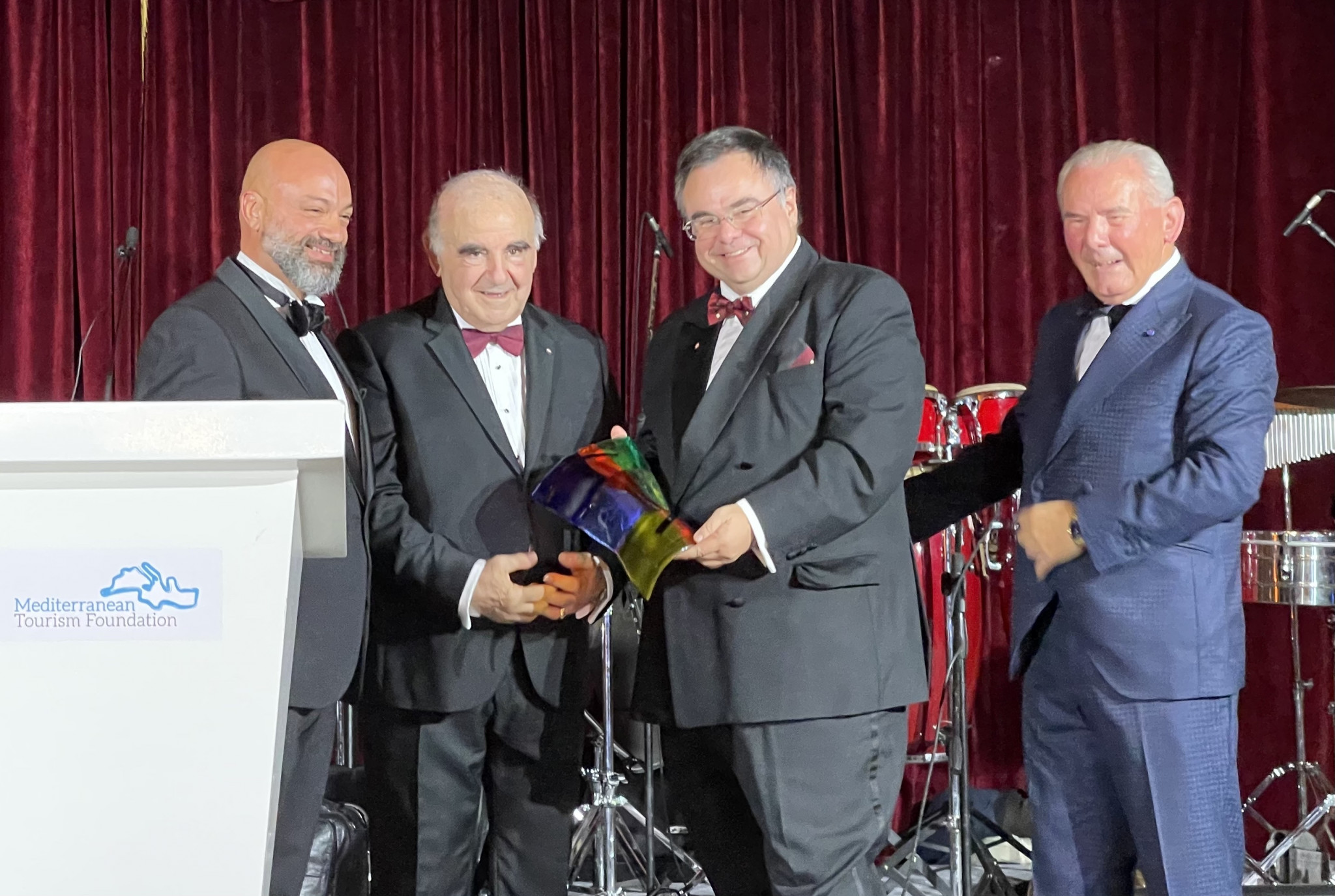
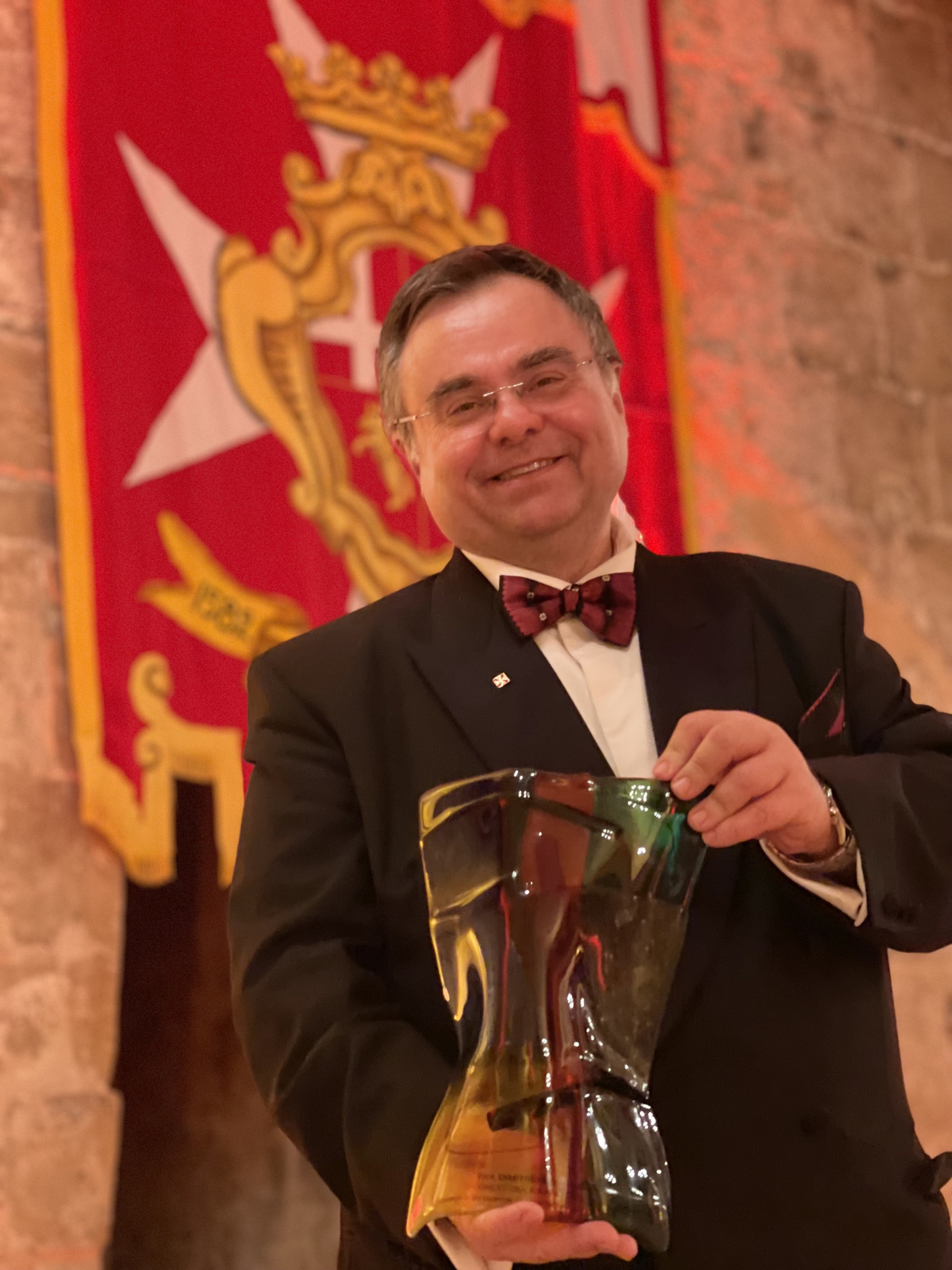
Professor Dimitrios Buhalis was the distinguished recipient of the GREAT SEA AWARD 2023 – Research in Innovative Sustainable Tourism Solutions at the Mediterranean Tourism Awards.

Professor Dimitrios Buhalis was the distinguished recipient of the GREAT SEA AWARD 2023 – Research in Innovative Sustainable Tourism Solutions at the Mediterranean Tourism Awards.
This prestigious award, organized by the Mediterranean Tourism Foundation in Malta, was conferred upon  by His Excellency, the President of Malta, George Vella, during a ceremony at the Mediterranean Conference Centre on the 23rd of November.  

Left to right:
Andrew Agius Muscat, Co‐Founder and Secretary General, 
Mediterranean Tourism       Foundation
His Excellency, the President of Malta, George Vella
Professor Dimitrios Buhalis, Bournemouth University, UK
Tony Zahra is the President of the Mediterranean Tourism Foundation and President of the Malta Hotels and Restaurants Association.

The Mediterranean Tourism Awards, established in 2013, exemplify the foundation’s commitment to promoting tourism as a catalyst for stability, peace, and hope in the Mediterranean region. These awards acknowledge outstanding achievements in various facets of the industry, celebrating and encouraging best practices in hospitality, cultural preservation, environmental sustainability, and innovation. 

The primary objectives of this awards program include fostering collaboration among Mediterranean countries, inspiring positive competition among tourism stakeholders, and elevating the overall Mediterranean identity in the world. By spotlighting noteworthy contributions and initiatives, the awards aim to motivate industry participants to adopt responsible and innovative approaches, contributing to the sustainable growth of tourism in the Mediterranean.

The  inclusion in the list of distinguished personalities from across the world marks a significant moment for the Mediterranean Tourism Foundation. The MTF represents tourism as a vehicle for peace, economic stability through its historical glory, as the cradle for the world’s civilization.

MSc in European Tourism Management Alumni returns home to Bournemouth University 30 years after graduation

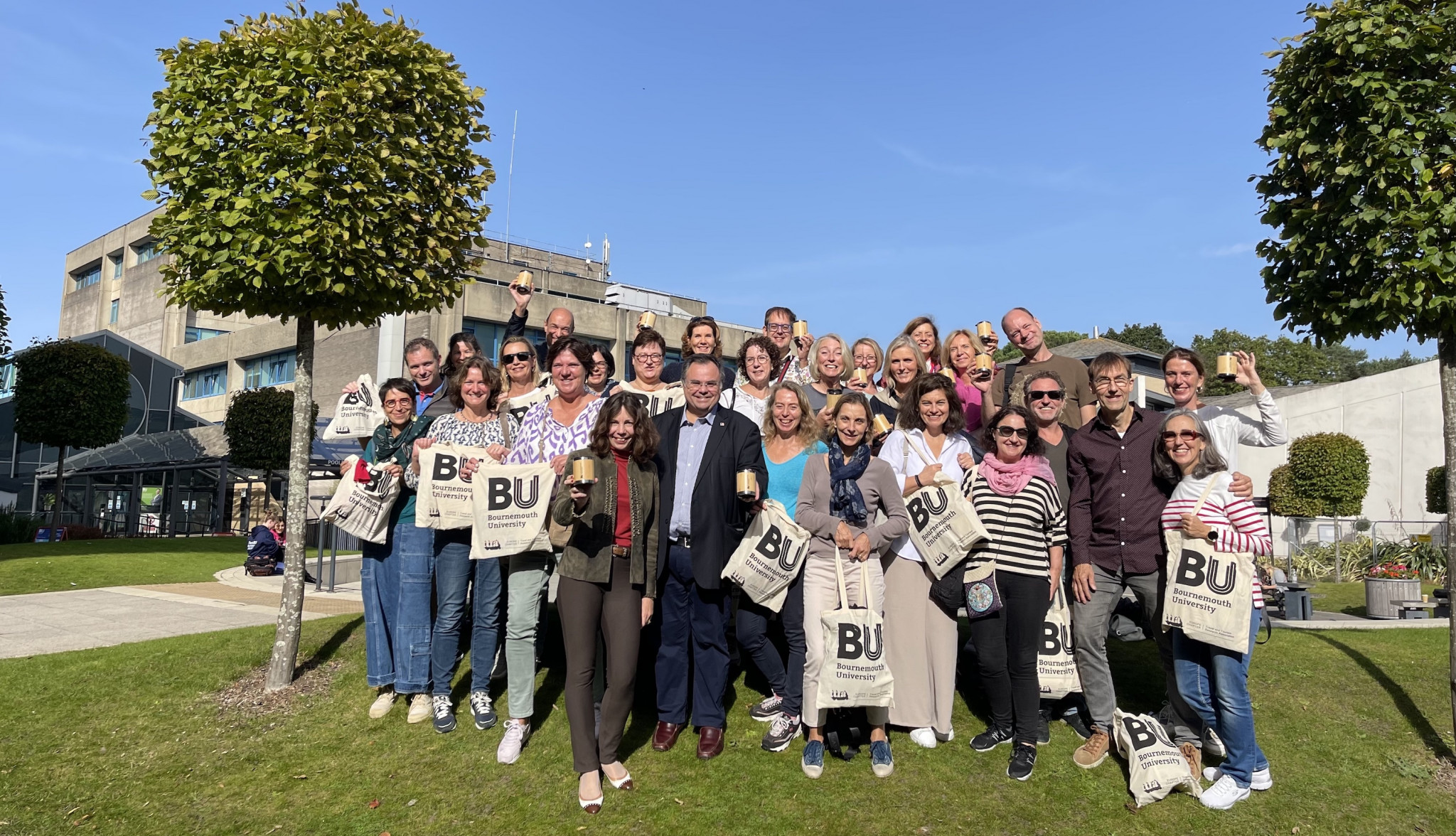
MSc in European Tourism Management Alumni returns home to Bournemouth University 30 years after graduation on Saturday 7th October 2023.

The European Tourism Management course was very unique. Students coming from Universities in France, Germany, Spain and UK had their introduction first month in Bournemouth together at the Bournemouth University student village. Then they spent the first semester, half of the group in Breda (The Netherlands) and the other half continued in Bournemouth. The second semester, the group split again, this time into 3 groups: Madrid (Spain), Heilbronn (Germany) and Chambèry (France) according to their second foreign language. Sharing that time with students from different countries was an amazing experience.

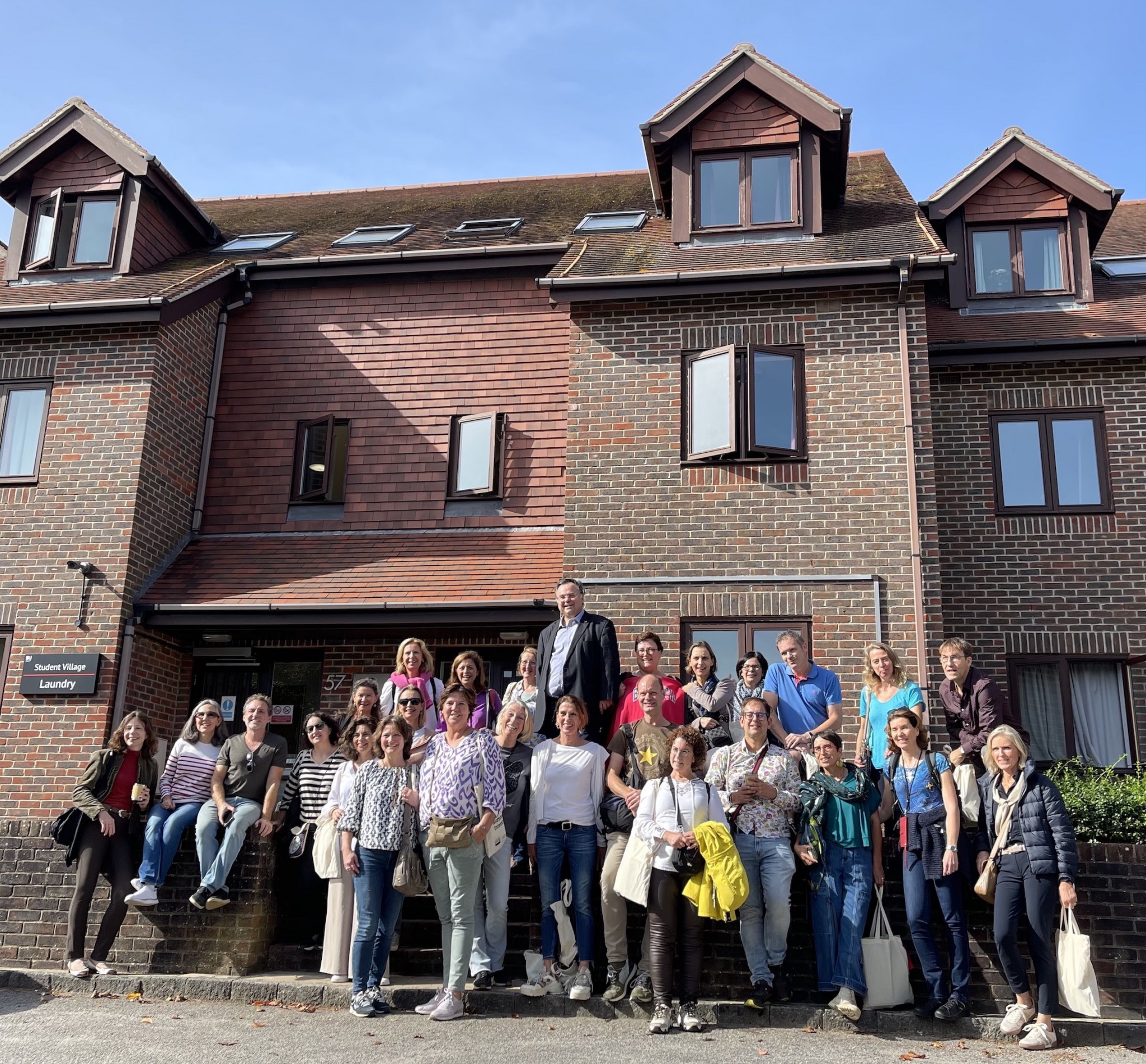
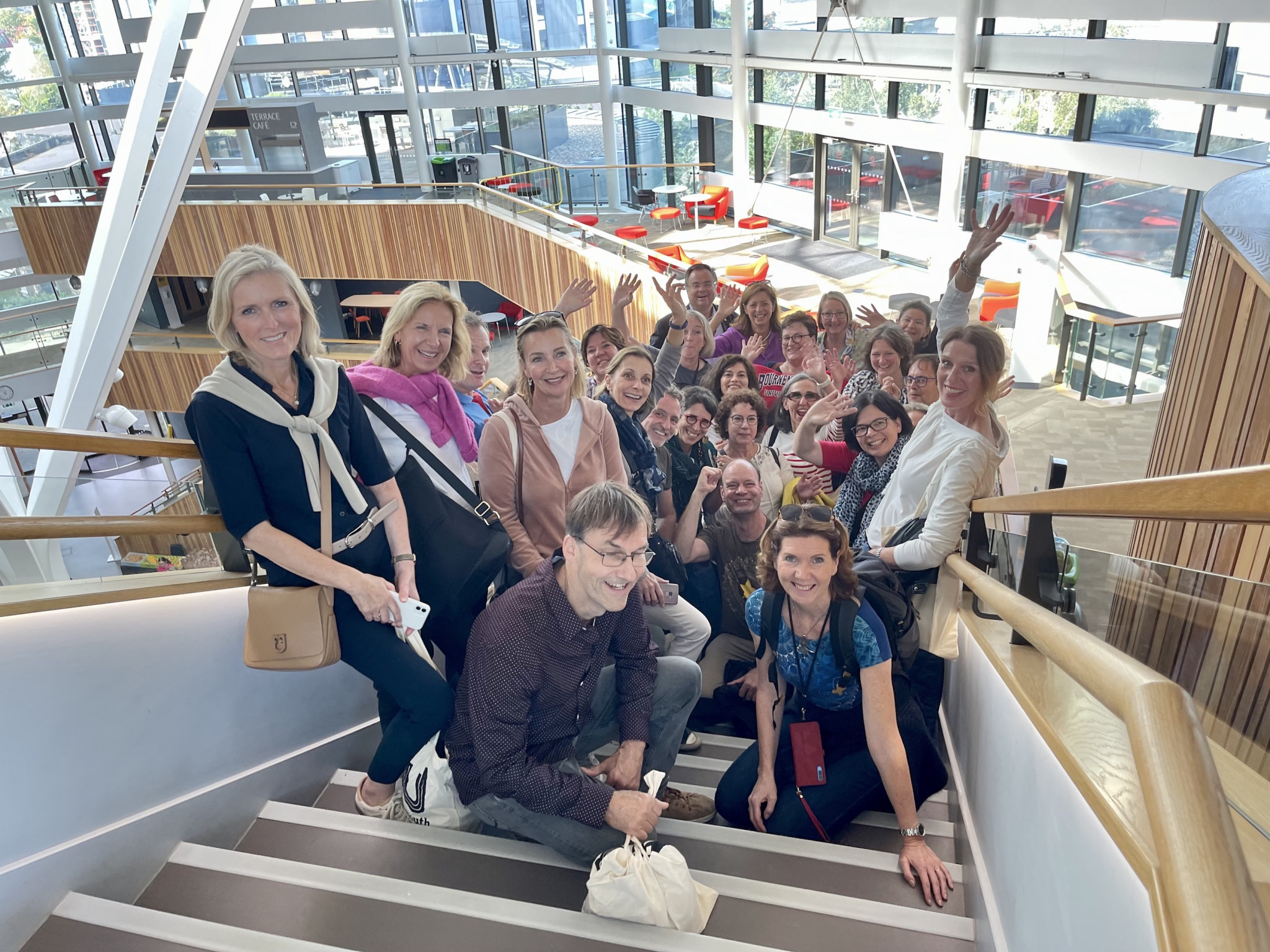
30 MSc graduates visited Bournemouth University this weekend for a great first reunion. They were naturally really excited and emotional with a lot to catch up, about their lives and work experience.

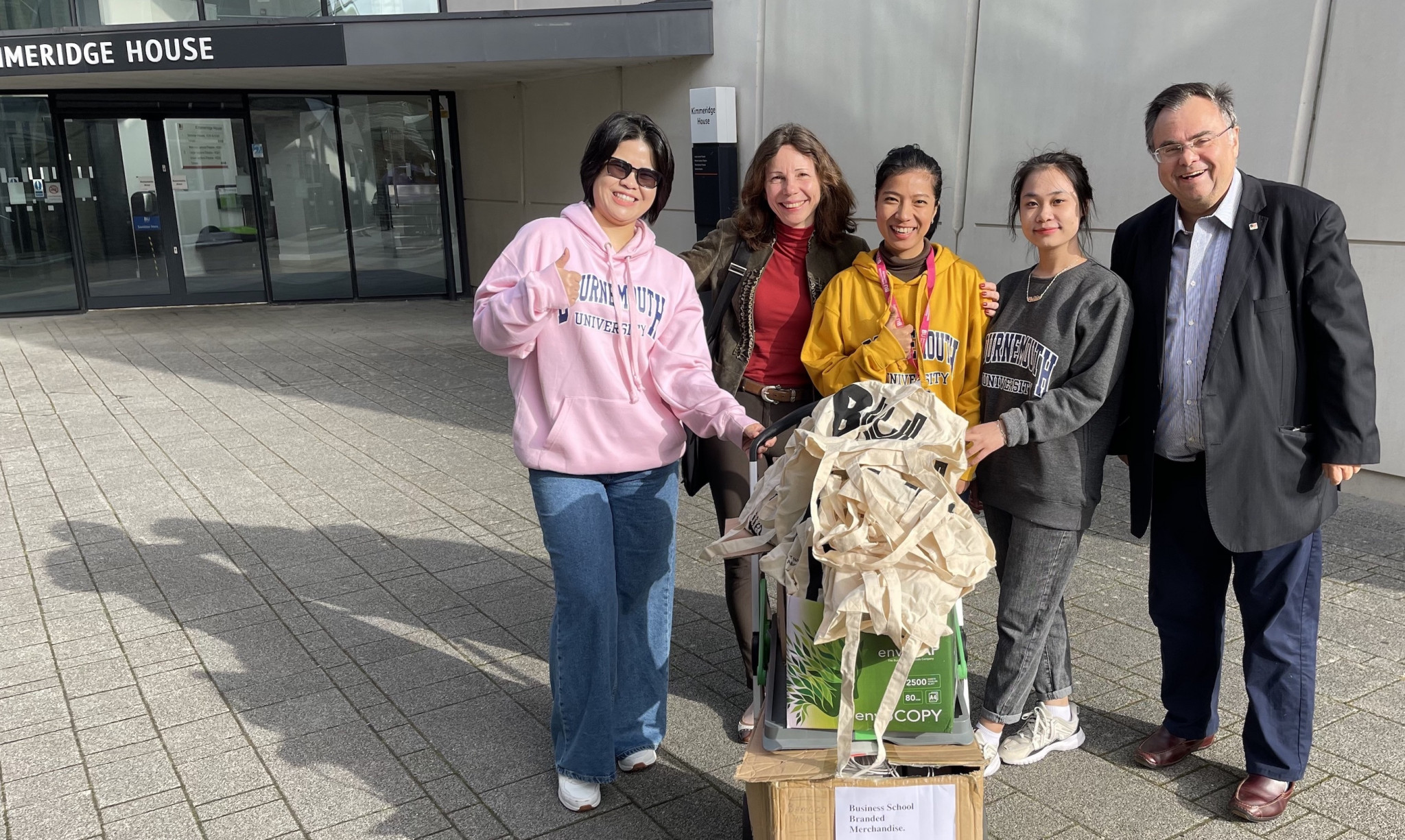
Professor Dimitrios Buhalis and Natalia Lavrushkina with current MSc student volunteers Dora Andriani Sinaga (Indonesia), Thi Phuong Yen Nguyen and Thi Thu Hoai Chu (Vietnam) welcomed the graduates, updated them about the progress of Tourism and Hospitality in Bournemouth University Business School and showed them the new developments in Bournemouth University.

.      

Professor Dimitrios Buhalis has recently published two new research articles

Professor Dimitrios Buhalis has recently published two new research articles

Assiouras, I., Vallström, N., Skourtis, G., Buhalis, D., 2024 Exploring how communication leads to value co-creation, value co-destruction and value no-creation during service mega-disruptions, Current Issues in Tourism http://dx.doi.org/10.1080/13683500.2023.2259055

ABSTRACT

This study investigates the principles and the factors influencing interaction for resource integration during service mega-disruptions (SMDs) in the tourism ecosystem. Utilizing qualitative data from semi-structured interviews conducted during the COVID-19 pandemic, this article reveals that interaction principles of willingness to exchange, access to information, dialogue, transparency, coordination, adaptation, and informed risk assessment lead to value co-creation (VCC). Failure to follow these principles leads to value no-creation (VNC) or value co-destruction (VCD). During SMDs, the most critical factors influencing interaction for resource integration are traveller’s safety needs, initiation of travel cancellation, sympathy, proactivity, omnichannel communication, the effectiveness of technology and employees as well as the number of involved actors. Forced indifference in VNC is uncovered, where firms’ constraints hinder their engagement despite tourists’ desire for interaction. This study contributes to the understanding of value dynamics during SMDs and calls for further exploration of multiple stakeholders’ perspectives in such contexts.

  • _______________________________________________________________________________________________________

Zhu, C., Fong, L., Li, X., Buhalis, D., Chen, H., 2024, Short video marketing in tourism: The theoretical lens of authenticity, celebrity attachment and telepresence, International Journal of Tourism Research  http://dx.doi.org/10.1002/jtr.2599

Drawn upon Telepresence theory, this study aims to identify the relationships between existential authenticity, celebrity attachment, telepresence, and travel intention in the short video experience. Survey results show that existential authenticity fosters user attachment to celebrity and then travel intention, but has no impact on telepresence which is also not related to travel intention; Furthermore, celebrity attachment enhances travel intention. Although existential authenticity has no effect on telepresence, celebrity attachment mediates the relationship between existential authenticity and telepresence. This study offers insights to both scholars and practitioners, informing strategies for enhancing destination competitiveness through TikTok marketing campaigns.

_____________________________________________________________________

Artificial Intelligence’s impact on Hospitality and Tourism Marketing: Exploring key themes and addressing challenges,

NEW ARTIFICIAL INTELLIGENCE ARTICLE PUBLISHED

Bulchand-Gidumal, J., William, E., O’Connor, P., Buhalis, D., 2023, Artificial Intelligence’s impact on Hospitality and Tourism Marketing: Exploring key themes and addressing challenges, Current Issues in Tourism, https://doi.org/10.1080/13683500.2023.2229480.

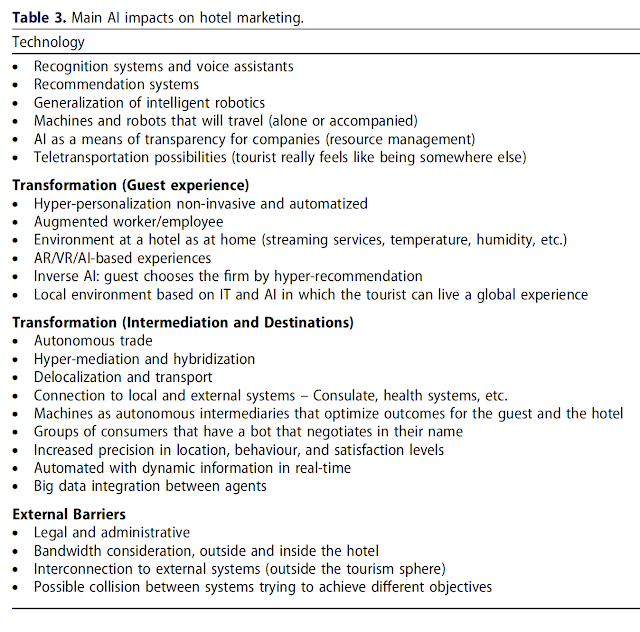
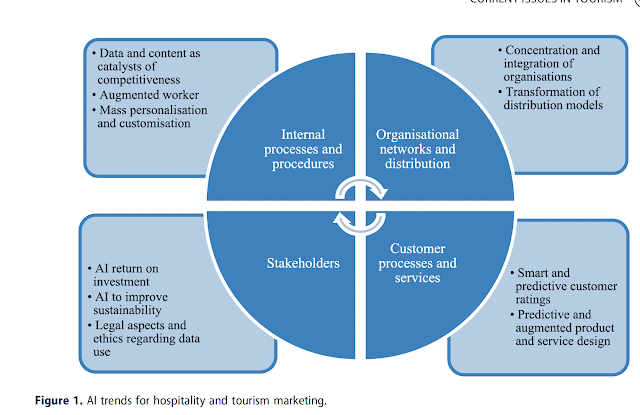
ABSTRACT Understanding how Artificial Intelligence (AI) impacts organizational functions supports stakeholders to prepare accordingly and profit from these developments. Adopting a grounded theory approach, this study uses three interlinked stages (in-depth interviews, focus groups and a questionnaire-based survey) to explore the impact of AI on the marketing function of hotels. The results identify ten trends related to AI’s contribution to hotel marketing, clustered in four themes. AI reengineers internal processes and procedures by enabling data and content as catalysts of competitiveness; empowering the augmented worker and performing mass personalization and customization. AI also impacts relationships with stakeholders by determining return on investment; improving sustainability; and governing legal aspects and ethics regarding data use. AI supports networks to which the organizations belong by concentrating and integrating organizations and transforming distribution models. AI transforms customer processes and services by engaging smart and predictive customer care and by employing predictive and augmented product and service design. The study illustrates the changes that AI will likely bring to hospitality and tourism marketing, developing a research agenda and raising discussion points for academic and industry practitioners respectively.

KEYWORDS: AI marketing customization personalization innovation big data

Tags:

“CSR influence on job performance: the roles of psychological needs fulfillment and organizational identification among tourism firms”,

New Research Publication:

Guo, Q., Shen, H., Fan, D.X.F. and Buhalis, D. (2023),
“CSR influence on job performance: the roles of psychological needs fulfillment and organizational identification among tourism firms”,
International Journal of Contemporary Hospitality Management, Vol.35.
https://doi.org/10.1108/IJCHM-09-2022-1180

Abstract

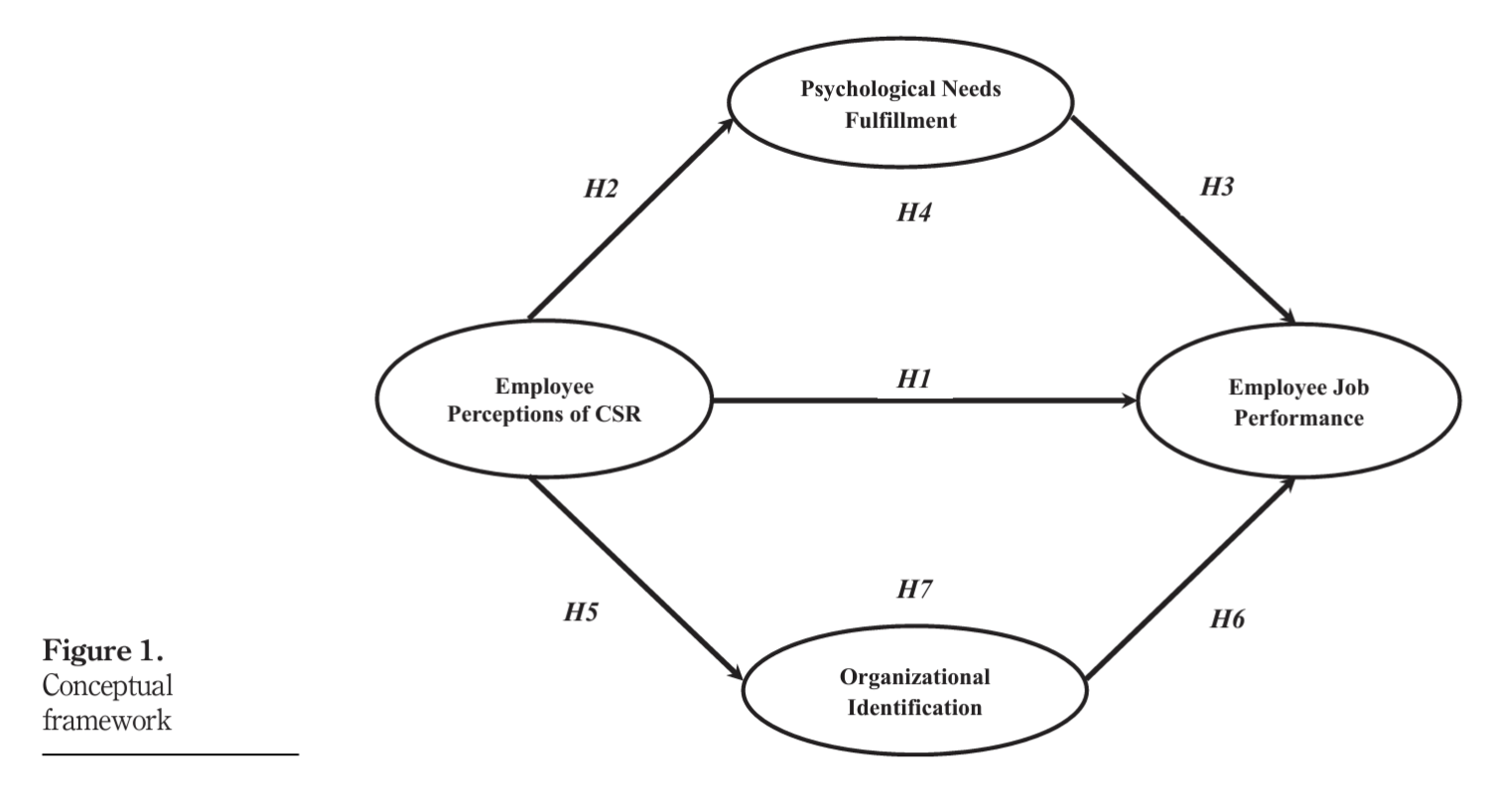
This research paper aims to explore whether and how perceived corporate social responsibility (CSR) influences employee-associated outcomes in ways that are controllable by managers. Drawing from the theories of self-determination and social identity, this study investigates the mediating effects of psychological needs fulfillment and organizational identification in exploring the mechanisms that link perceived CSR to employee job performances of Chinese state-owned tourism companies. A survey was used to collect original data from ten Chinese state-owned tourism companies to examine the proposed model. Data was analyzed through structural equation modeling. Employees’ perceptions of CSR are found to demonstrate significantly effective associations with their job performance. Moreover, results support that the influences of CSR on staff’s job performance are also conveyed through psychological needs fulfillment (competence) and organizational identification (i.e. cognitive identification and affective identification).Findings not only provide strategic ideas and operational tactics for tourism managers to devise CSR strategies and allocate CSR resources but also offer inspirations to integrate CSR initiatives with human resource management strategies. This study diverts the research of CSR from the organizational level to the individual level. This study also explores the mechanism of psychological needs fulfillment and organizational identification underlying processes in the employee perceptions of CSR–job performance linkages.

Customer incivility for frontline employees

New research just published

Boukis, A., Koritos, C., Papastathopoulos, A., Buhalis, D., 2023, Customer incivility for frontline employees, Annals of Tourism Research, Volume 100, May 2023, 103555 https://doi.org/10.1016/j.annals.2023.103555 OPEN ACCESS

Abstract

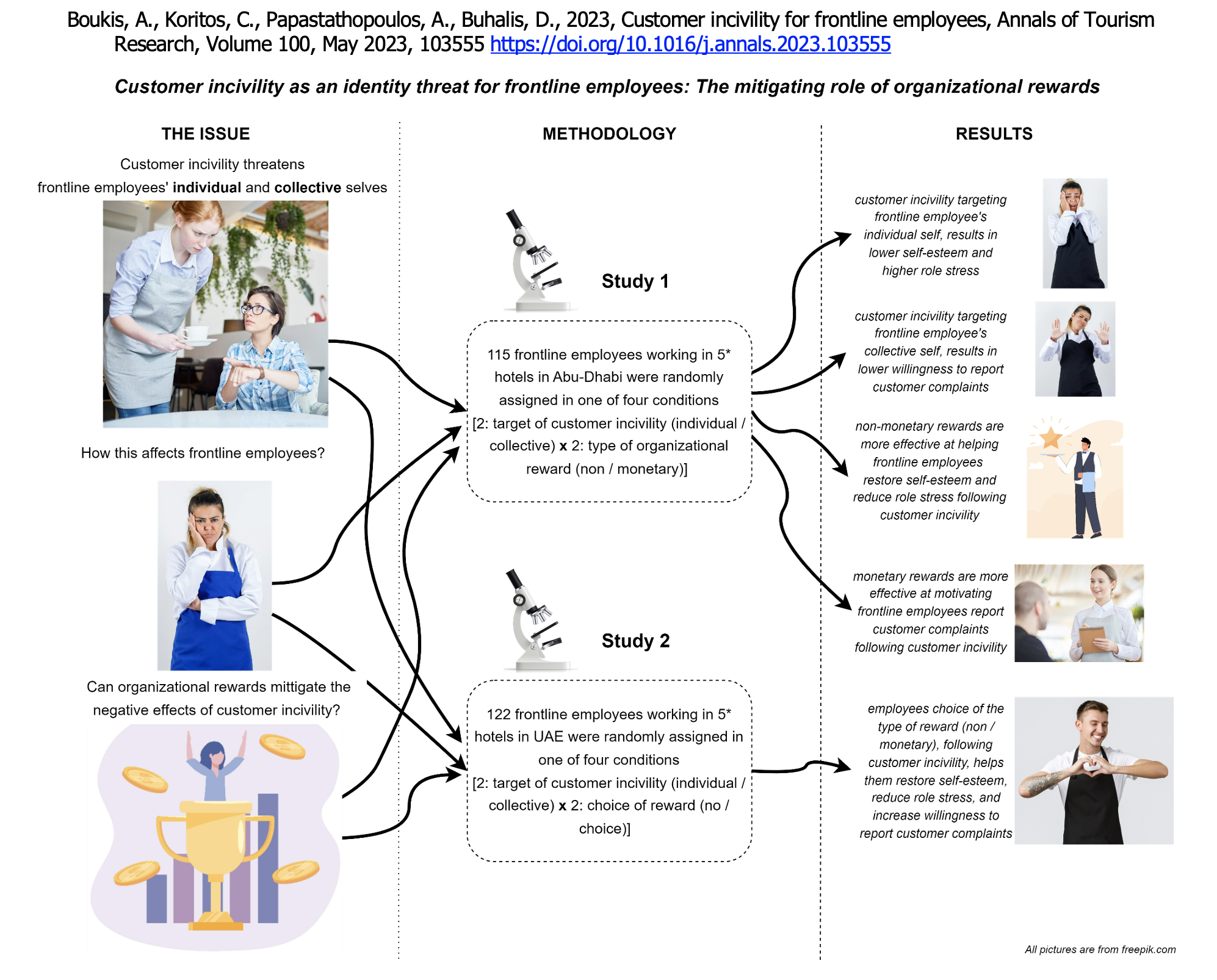
This work proposes identity theory as a novel theoretical lens for understanding frontline employees’ responses to customer incivility in tourism and hospitality. We advance pertinent research by demonstrating that customer incivility constitutes a dual identity threat (individual/collective threat) for frontline employees. Two experimental studies reveal that: customer incivility towards frontline employees’ individual identity affects their psychological responses more adversely than their citizenship behavior; non-monetary rewards are more effective at reducing the adverse effects of customer incivility on frontline employees’ psychological responses (than monetary rewards); finally, allowing frontline employees to choose the reward they deem most appropriate enhances both their psychological responses and citizenship behavior. Based on these results a four-step process is proposed to help managers dealing with customer incivility.

Highlights

•Assess the impact of customer incivility on frontline employees’ identity
•Customer threats to both individual and collective identities are explored.
•Employees’ responses vary based on the identity level that is affected
•Rewards mitigate the harmful effect of customer incivility on employees.
•Reward choice reduces the adverse effect of customer incivility on employees.

Boukis, A., Koritos, C., Papastathopoulos, A., Buhalis, D., 2023, Customer incivility for frontline employees, Annals of Tourism Research, Volume 100, May 2023, 103555 https://doi.org/10.1016/j.annals.2023.103555

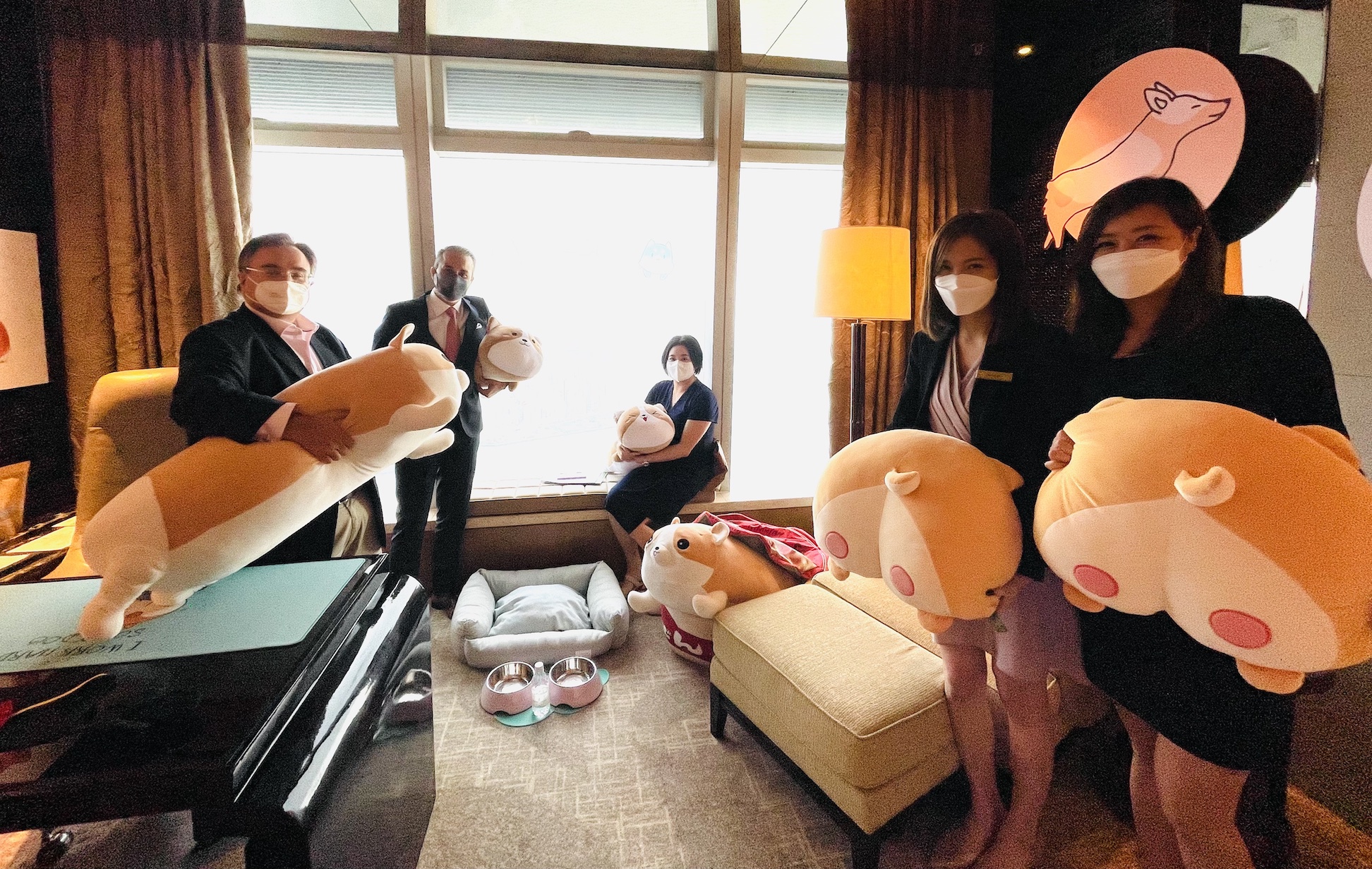
Traveling with pets: designing hospitality services for pet owners/parents and hotel guests,

Are you a PET / DOG PARENT ?

New research paper on TRAVELING WITH PETS

Buhalis, D. and Chan, J. (2023), Traveling with pets: designing hospitality services for pet owners/parents and hotel guests, International Journal of Contemporary Hospitality Management, Vol.34. https://doi.org/10.1108/IJCHM-10-2022-1192

#pets #dogs #travel #tourism #hotel #hospitality #marketing #management #consumerbehaviour #service #HongKong

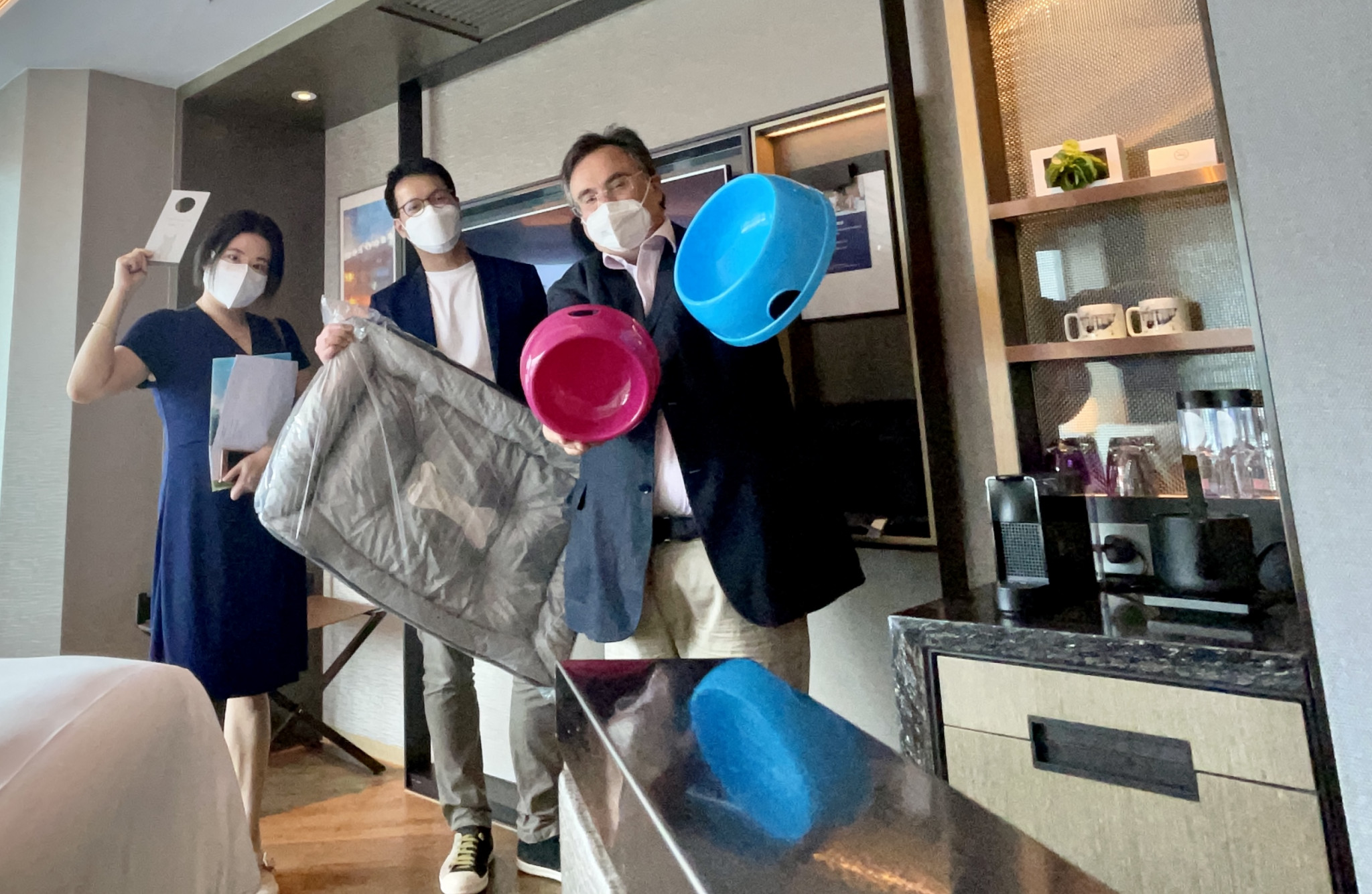
Pet-friendly hotels are growing rapidly. The prevalence of pet adoption has largely resulted from loneliness due to social distancing that happened during the Coronavirus disease 2019 pandemic. Many hotels around the world aim to become pet-friendly to satisfy the growing demand. Hoteliers believe that the popularity of pet-friendly hotels will continue, as pet owners often treat pets as their kids. This study aims to investigate how pet-friendly hotels need to design and manage pet-friendly services and policies. Using grounded theory methodology, this research conducts interviews with 25 pet-friendly hotel managers from Hong Kong (HK). The study includes hotels from different hotel categories and classifications. It examines the conceptualization of pet-friendly service design, drawing on a service blueprint. Building on the service marketing and service blueprint literature, this research provides a synthesis that reflects how pet-friendly hotels can serve both guests with and without pets.

The findings reveal that pet-owner’s service expectations are formed on anthropomorphism, that is, an inclination to attribute human features to non-human entities. Hotel managers and those with pets personally understand better how pet-friendly service can be adapted to meet the expectations and requirements of pet owners while accommodating guests without pets. The market for pet-friendly hospitality is growing, with high-profit potential from pet owners who are willing to spend generously. Data were collected from selected pet-friendly hotels in HK through interviews with pet-friendly service providers. The research is qualitative and exploratory in nature. It aims to explore and examine the multilevel pet-friendly hospitality service design from a managerial perspective. This research enriches the literature on anthropomorphism theory, the design of pet-friendly services and the application of service blueprint. The research offers explicit suggestions for the design of pet-friendly hospitality services. A pet-friendly hotel service blueprint is developed. This can help managers to develop essential pet-friendly policies and service collaborations between internal departments and with external specialist organizations, maximizing the value for all stakeholders. The study explores a rapidly emerging market and scrutinizes its specific design requirements. It extends theoretical insights by enriching the anthropomorphism theory and broadening the conceptualizations of service blueprint based on anthropomorphism theory.

https://www.academia.edu/98737451/

Professor Buhalis contributes to cutting edge paper on ChatGPT: “So what if ChatGPT wrote it?” Multidisciplinary perspectives on opportunities, challenges and implications of generative conversational AI for research, practice and policy

Professor Dimitrios Buhalis contributes on the Impact of ChatGPT to tourism marketing

CUTTING EDGE PAPER ON ChatGPT with key colleagues and examples from KALAMATA and BOURNEMOUTH 🙂

“So what if ChatGPT wrote it?” Multidisciplinary perspectives on opportunities, challenges and implications of generative conversational AI for research, practice and policy

International Journal of Information Management, Vol. 71, 102642,

https://doi.org/10.1016/j.ijinfomgt.2023.102642

#chatgpt #artificialintelligence #AI #marketing #technology