Bournemouth University is pleased to collaborate with Aveiro University Portugal on the INVTUR conference

Bournemouth University is pleased to collaborate with Aveiro University Portugal on the INVTUR conference 

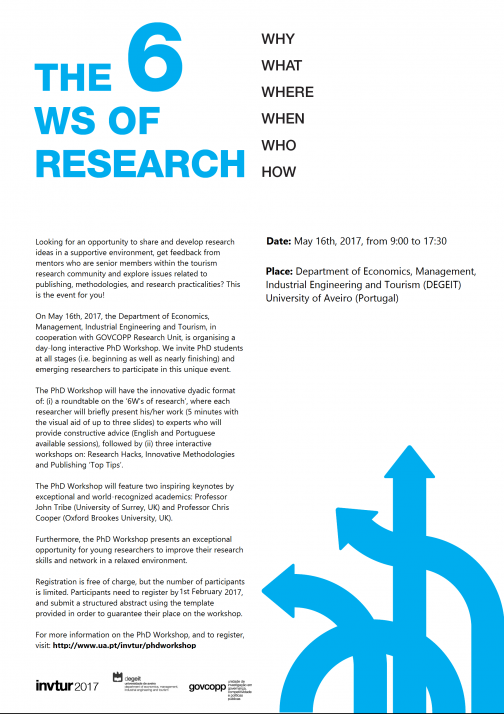
International conference Co-creating the future of tourism University of Aveiro, Portugal May 17th – 19th, 2017 & 16th May PhD Workshop 

Professor Dimitrios Buhalis will be cochairing the conference and Professor Adele Ladkin will be a keynote speaker and a PhD Workshop facilitatorPhD workshop2
Tourism is becoming the world’s leading industry, topping the most important economic sectors. A new ecosystem is emerging that brings together economic, environmental, social and cultural resources to create value for all stakeholders. Tourism is one of the most influential drivers of change globally propelling prosperity and wellbeing for growing numbers of countries. In spite of its potential there is still a wide gap between the industry and society. Tourism is a social and anthropological phenomenon that percolates civilization, and its infrastructure and equipment are built alongside all the other urban and rural developments. However, tourism knowledge and tourism as science are still overlooked by entrepreneurs and governments.

INVTUR is an internationally acclaimed conference that is now reaching its 4th edition. It is organized by the University of Aveiro (Portugal), since 2010, in cooperation with several foreign partner universities. Each of the previous editions were attended by more than seven hundred delegates, from five continents and more than 30 countries. INVTUR has become a ground of discussion and scientific interaction, held in a modern and lovely city and university, where people seek to improve knowledge. Besides its scientific contribution, INVTUR provides an unforgettable experience from a social point of view, granting opportunities to network and to relax.

The 2017 edition is devoted to fuel discussion and to induce new approaches aimed at exploring emerging paradigms of value cocreation in the marketplace that will fuel the foundation of the new tourism ecosystem. INVTUR 2017 will provide an interactive, dynamic and international platform for academics and practitioners to discuss how to enhance research applications and knowledge management through partnerships. Alongside the conference, a showcase of good practices coming from the tourism industry and organisations will take place. The BIT Business Innovation Tank will be run in a large marquee, adjacent to the conference rooms, where more than 30 companies and organisations will present innovative experiences in the tourism industry. In parallel to the academic conference, debates among tourism businesses and organisations will take place, with the aim of bridging the gap between academics and practitioners. Participants will, also, have the opportunity to strengthen partnerships with various stakeholders, including academic researchers, industry professionals, and governmental entities, through dialogues on how to better use research outputs for the benefit of the industry.

The conference welcomes works in areas such as (see also the thematic sessions):

» Tourism planning, policies and strategies;

» Geography and territory;

» Destination management and modelling;

» Economics of tourism;

» Internationalisation of tourism;

» Consumer behavior in tourism;

» New tourism products;

» Tourism marketing;

» Experience economy;

» Shared economy;
» Creative economy;

» Authenticity;

» Culture and heritage;

» Tourist gaze;

» Sociology of tourism;

» Food tourism;

» Anthropology of tourism;

» Demographics and Mobility;

» Post-modern tourist;

» Research and Education;

» Sustainability and ecotourism;
» Hospitality;

» Tourism history;

» Innovation in tourism;

» E-tourism, ICT, and smart tourism;

» Accessible tourism;

» Gender in tourism;

» Tourism networks.
 

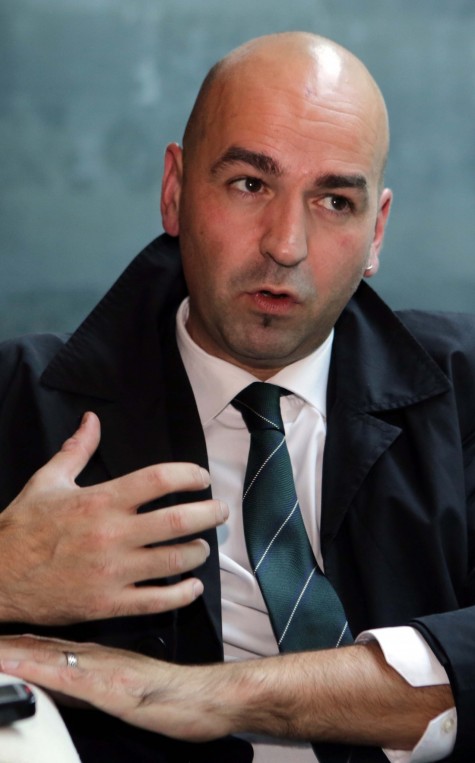
Derek Robbins will address the Independent Transport Commission on 21st February 2017 on the Impact of rising levels of tourism on transport in the UK.

Derek Robbins will address the Independent Transport Commission on 21st February 2017 on the Impact of rising levels of tourism on transport in the UK. derek

Derek Robbins has been invited to address the Independent Transport Commission at their Winter Discussion Evening on 21st February 2017 on the Impact of rising levels of tourism on transport in the UK. The ITC discussion series is open by invitation only to high-level decision makers and have proved extremely popular and attract a wide range of senior figures. They are designed to raise new issues and approaches to transport policy. Derek will be joined on the expert panel by a representative of VisitBritain and a leading executive from a transport operator.

http://www.theitc.org.uk/

http://www.theitc.org.uk/our-events/discussion-evenings/

New article: The female tourist experience in Egypt as an Islamic destination

New article: Brown, L., Osman, H., 2017, The female tourist experience in Egypt as an Islamic destination, Annals of Tourism Research, Volume 63, pp.12–22

access for free until 26th February on http://www.sciencedirect.com/science/article/pii/S0160738316301736


Abstract : In Islamic destinations female tourists face the added challenge of negotiating their way through male constructed local norms. This paper fills the gap in gender and tourism research with a focus on female tourists’ experiences in Egypt as an Islamic destination, outlining the diverse ways in which gender shapes and influences their experiences. A qualitative approach was taken to explore women’s coping strategies with the male sexualised gaze that they encountered during their holiday in Egypt, and sheds light on measures taken towards safeguarding themselves. Their experiences were highly influenced and often involuntarily altered by unwanted male attention and sexual harassment, as the women felt the need to fit into local female norms of behaviour in order to safeguard themselves.

Keywords Female touristsGenderEgyptIslamSexual harassmentCoping

Dr. Lorraine Brown teaches qualitative research methods to Masters and doctoral students. Her research interests include international education, identity and travel, literary tourism and culture contact.

Dr. Hanaa Osman is senior lecturer in Hospitality Management in the Faculty of Management, Bournemouth University. Her research interests include travel experiences affected by global hospitality organisations, and Muslim women’s experiences in the hospitality industry.

Bournemouth University Food and Drink expert Dr Sean Beer ahead of the wave

Bournemouth University Food and Drink expert Dr Sean Beer ahead of the wavemadhatters10

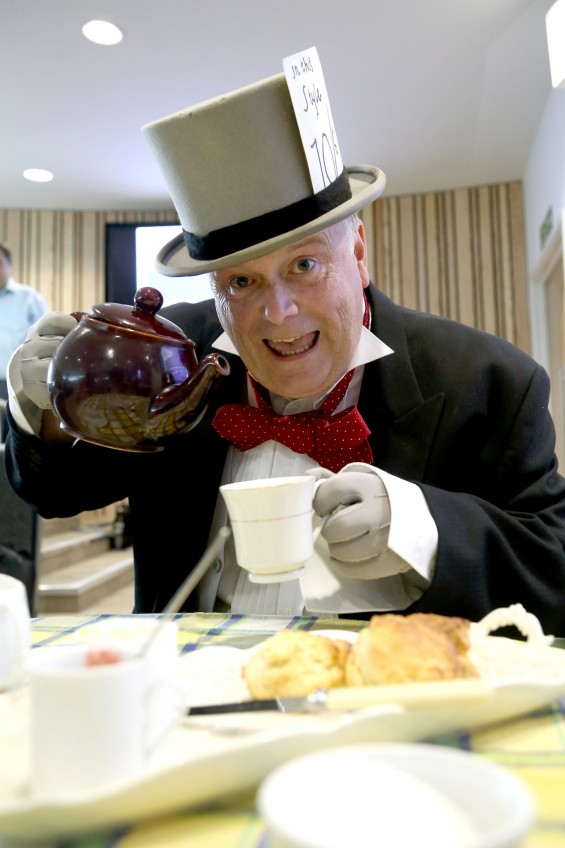
At Bournemouth University Department of Tourism and Hospitality we like to think that we are at the cutting edge of developments in tourism and hospitality.  So it was no surprise to our own Mad Hatter (aka Dr Sean Beer pictured in character) when Big Hospitality (http://www.bighospitality.co.uk/ ) highlighted themed afternoon teas and storytelling as two of its seven Hotel trends for 2017. 

After all these had been the focus of much of Sean’s work in 2016 including his Festival of Learning event and the Food and Culture walking tour of Bournemouth and Dorset at the Tourism Management Institute (TMI) conference. More tea anyone?


Dr Sean Beer guest speaker at the 72nd AGM of the Wool and Bere Regis Agricultural Discussion Club.

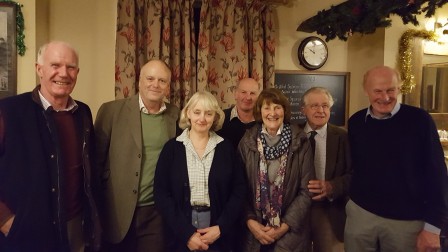
Dr Sean Beer recently headed off to the country as guest speaker at the 72nd AGM of the Wool and Bere Regis Agricultural Discussion Club.  Clubs such as this were formed as an aid to agricultural extension during the Second World War and many, Like Wool and Bere Regis, are still thriving.  Sean’s address was entitled “A light hearted look at being an academic”.  In many ways he is a unique position to talk about this having, during his time in further and higher education, taught all age groups from 3-83 and at all levels in English education from pre-school to supervising PhDs.  Sean’s research work has also been diverse encompassing the natural sciences, sociology, economics and psychology.  3

In his talk he was able to demystify many aspects of academic life and afterwards, as can be seen in the picture (Sean is second from the left), the members retired to the bar for some light refreshments. Sean has been actively involved in this type of public/industry engagement during his 23 years at Bournemouth and is a past Chairman of the Wool and Bere Regis Agricultural Discussion Club.

New Article : Progress in tourism and destination wellbeing research

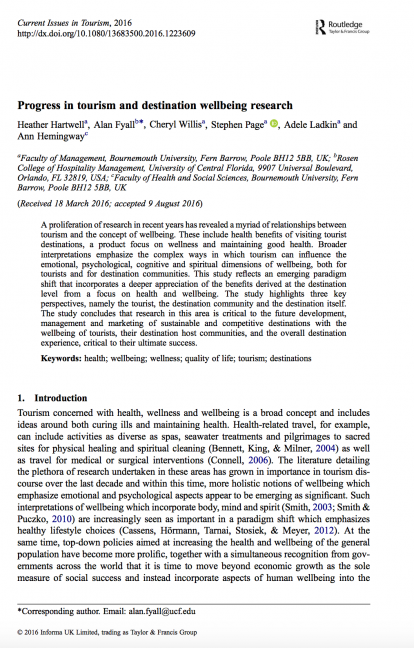
Heather Hartwell, Alan Fyall, Cheryl Willis, Stephen Page, Adele Ladkin & Ann Hemingway, 2016, Progress in tourism and destination wellbeing research, Current Issues in Tourism, pp. 1-63

Download citation http://dx.doi.org/10.1080/13683500.2016.1223609

progress-in-tourism-and-destination-well-being-research

Abstract

A proliferation of research in recent years has revealed a myriad of relationships between tourism and the concept of wellbeing. These include health benefits of visiting tourist destinations, a product focus on wellness and maintaining good health. Broader interpretations emphasize the complex ways in which tourism can influence the emotional, psychological, cognitive and spiritual dimensions of wellbeing, both for tourists and for destination communities. This study reflects an emerging paradigm shift that incorporates a deeper appreciation of the benefits derived at the destination level from a focus on health and wellbeing. The study highlights three key perspectives, namely the tourist, the destination community and the destination itself. The study concludes that research in this area is critical to the future development, management and marketing of sustainable and competitive destinations with the wellbeing of tourists, their destination host communities, and the overall destination experience, critical to their ultimate success.

Keywords: health, wellbeing, wellness, quality of life, tourism, destinations

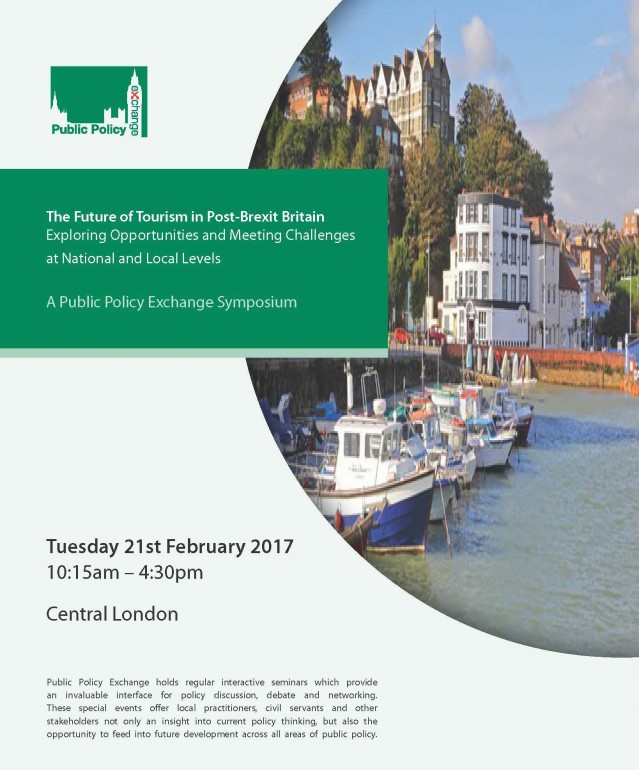
Professor Adam Blake to contribute to The Future of Tourism in Post-Brexit Britain debate Central London Tuesday 21st February 2017

The Future of Tourism in Post-Brexit Britain

Exploring Opportunities and Meeting Challenges at National and Local Levels flyer_page_1

Central London Tuesday 21st February 2017

KEY SPEAKERS:

Deirdre Wells OBE Chief Executive UKinbound

Professor Adam Blake Professor of Economics & Econometrics, Faculty of Management Bournemouth University

Giles Smith Deputy Director for Tourism, Heritage and Cultural Diplomacy Department for Culture, Media and Sport

Patricia Yates Director Strategy and Communications VisitBritain

Ufi Ibrahim Chief Executive British Hospitality Association

Kurt Janson Director Tourism Alliance

Esther Pearson Director South West Coast Path Association

Event DetailsWebsiteRegister to Attend

Despite Britain’s recent decision to leave the EU, tourism continues to be a key component of economic growth in the UK, being directly responsible for 1.6 million jobs across the country. According to latest statistics from the ONS, the number of visitors to the UK by overseas residents in August 2016 was 3.8 million, an increase of 2% when compared with August 2015. Overseas residents spent £2.6 billion in the UK during their visits, an increase of 4% compared to figures of the previous year. These figures have been linked to the fall in the pound following the referendum, which has made holidays in the UK cheaper for overseas visitors.

Last year was record-breaking, with tourism generating over £62 billion in Gross Value Added revenue to the British economy. Moreover, the rate of growth in visits to many regions within the country was faster than in London. However, with more than 50% of international visitor spending still in London and with Brexit reshaping the landscape, creating new opportunities in the short-term and challenges in the long-term depending on the agreement with EU, there is still more to be done to create balance in the sector and boost growth equally across the whole country.

Responding to these emerging challenges and opportunities, in August 2016 the Government published the ‘Tourism Action Plan’, a report setting out the Government’s next steps to make tourism more internationally competitive and resilient post-Brexit, while ensuring that its growth delivers for everyone.

As such, the action plan focuses on the following five areas:

  • The tourism landscape: strengthening co-ordination and collaboration
  • Skills: boosting apprenticeships and attracting more people to careers in tourism
  • Common sense regulation: examining the scope for deregulation
  • Transport: making it easier for visitors to explore by rail, bus and coach
  • A GREAT Welcome: driving continuous improvements in our visa service

With local authorities playing a key role in the visitor economy due to its devolved nature, there is a need to ensure the way forward for local tourism to take full advantage of the benefits the country has to offer.

This very timely symposium is an invaluable opportunity for local authorities, tourism organisations and regional economic development agencies to examine the national strategy assess the post-Brexit tourism landscape and consider how to best deliver lasting tourism across the UK.

Delegates will:

  • Assess the national outlook of tourism in post-Brexit Britain
  • Explore new opportunities and ways to overcome new challenges
  • Discuss funding allocations and new apprenticeship schemes to support small business
  • Consider the regulatory framework and discuss the importance of commonsense regulation
  • Evaluate the GREAT Welcome Campaign and explore ways to attract new tourists from key markets
  • Examine the contribution of local councils in boosting tourism, developing local leadership and encouraging local entrepreneurship
  • Participate in interactive discussions with leading practitioners and share best practice

I am pleased to advise you that we offer a 20% early registration discount off the standard delegate rates for all bookings received by the 13th January 2016. For further details about the symposium, please refer to the enclosed event brochure. Do feel free to circulate this information to relevant colleagues within your organisation.

In the meantime, to ensure your organisation is represented, please book online or complete and return the attached registration form at your earliest convenience in order to secure your delegate place(s).

Kind regards,

Conference Team

Public Policy Exchange

Tel: 020 3137 8630

Fax: 020 3137 1459

If you do not wish to receive further information regarding PPE events then click here.

Smart Tourism, Smart Cities, Smart Living announced as a Theme of the The Visitors’ Economy: Strategies and Innovations Conference Bournemouth University, UK. 4-6 September 2017.

Conference Theme: Smart Tourism, Smart Cities, Smart Living

Track Chairs: Igor Calzada, Oxford University and Dimitrios Buhalis, Bournemouth University

The Visitors’ Economy: Strategies and Innovations Bournemouth University, UK.  4-6 September 2017.


Smart tourism emerges as a concept that enables destinations to build their competitiveness based on the interoperability of systems and co-creation of tourism products between all stakeholders. This is based on emergent smart cities and smart living developments and take city principles to urban or rural areas and not only consider residents but also tourists in their efforts to support mobility, resource availability and allocation, sustainability and quality of life/visits. The Smart City idea and application from the Critical Social Innovation perspective means that a new paradigm is required when bottom-up interventions are the key governance challenge in the postgrowth era. A requirement that are already taking place due to the effect of some disruptive private initiatives such as Uber and AirBnB, among others, that are altering the traditional dynamic between the locals/residents and the trans-locals/tourists in a new way of combining the practice of travelling, the changing nature of the mobile way of living and the new understanding of the place itself. Smart Cities and Smart Living can bring together the need to use technology innovations to develop regional competitiveness of territories towards Social Innovation & Governance and create value to all stakeholders. Social, technological, economic, democratic and politically innovative processes in cities and regions introduce a wide range of innovative methods and solutions that improve the value cocreation for all stakeholders. The theme is inclusive to a range of Smart Cities, Smart Living and Smart Tourism approaches including the following topics:

  • Smart region technologies and Open Innovation
  • Internet of Everything, Bid Data, Analytics
  • Digital and Smart Living
  • Smart Territories – Comparative City-coastal/mountain Regions
  • Smart Transformations: Innovation, Transition, Governance, Resilience,Change
  • Smart Cities and smart tourism
  • Digital Social Innovation
  • Social Capital & Social Entrepreneurship
  • Smart region and smart tourism Strategy & Governance
  • Smart Tourism, Smart Travel, Smart hospitality
  • Smart Local Governance, Citizen Participation & Communitarian Development
  • Smart and Future everything

Papers are invited on these topics as well as papers using other economic methodologies to analyse the visitor economy or issues relating to it.

Deadline for abstract submission:                      26 May 2017

Confirmation of acceptance:                                 30 June 2017

Last date for early bird registration:                    14 July 2017

Deadline for registration:                                       18 Aug 2017

Please submit email abstracts to:           DepTHconference2017@bournemouth.ac.uk

Mark it for the Conference Theme: Smart Tourism, Smart Cities, Smart Living

Register: https://thevisitorseconomy.eventbrite.com.

Further information: https://goo.gl/ckcuHU


Keynote: Dr Igor Calzadaigorcalzada, MBA, Oxford University – Tourism in Smart Cities? Effects from the Urban Transformations perspective

Dr. Igor Calzada, MBA is Lecturer and Senior Research Fellow at the Oxford University, Urban Transformations ESRC Programme at COMPAS. In addition to this, he holds a Lecturer position at the Institute for Future Cities at the University of Strathclyde in Glasgow. In 2016, he was awarded Visiting Fellow position at the Vrije Universiteit Brussel where is organising a Workshop Series 2016-2017 entitled ‘Bridging European Urban Transformations’ in a wide range of topics such as data, governance, social innovation, migration, economic development, among others. Outside academia, in the private sector, he worked for more than a decade at the Mondragon Co-operative Corporation Group based in the Basque Country (Spain). In the public sector, he was Director at the Basque Regional Government.He is working on the crossroads between: Territory + Strategy + Social Innovation. Current Research Interests include City-Regions, Governance, Urban Change, PostGrowth Transition, Social Innovation, Participation, Smart Cities & Sovereignty. His main research focuses on comparing social, technological, economic, democratic and politically innovative processes in cities and regions by paying special attention to cases and issues of regional and metropolitan devolution. In particular, he is focused on investigating European City-Region and Smart City benchmarking case studies through the application of qualitative and action research methods. More information: www.igorcalzada.com/about

Related publications:


Call for papers and Themes : 4-6th September 2017 BU Tourism and Hospitality Conference Bournemouth University The Visitors’ Economy: Strategies and Innovations

Join BU Tourism and Hospitality Conference Bournemouth University The Visitors’ Economy: Strategies and Innovations

4-6th September 2017  Call for papers/abstracts and Call for Themes/Tracks
Please submit your ideas and suggestions

fusion-building-bournemouth-university_01

Bournemouth University Tourism Hospitality

https://goo.gl/ckcuHU Register on https://thevisitorseconomy.eventbrite.com