Produced by Guest Blogger
Guest blog by Juan, MSc Psychology
Coming from outside the UK, there’s a lot to figure out. And honestly, some of it can feel overwhelming. One thing that can save you from a full-blown existential crisis, though, is sorting out your finances early.
In the UK, there are several options for where to keep your money, so let’s break it down.
Before getting into the details, ask yourself one question: do you feel more comfortable walking into a physical bank, or would you rather handle everything from your phone? Depending on your answer, there’s a perfect option waiting for you.
There are two main types of banks: high-street banks, which have physical branches you can walk into, and digital-only banks, which run entirely through an app.
The process is fairly similar either way; both will ask for documents to confirm you’re a real person (not a bot pretending to need a UK bank account!). The essentials are usually:
- Your passport (and visa/BRP if you have one)
- Proof of address, and this is the part that trips people up. If you don’t have a UK tenancy agreement yet, many banks will accept your university accommodation offer letter or enrolment confirmation instead, so don’t panic if you’ve only just landed
- Sometimes proof that you’re actually enrolled, like your CAS letter or confirmation of study
If you choose a high-street bank, the process starts with a visit to a branch, where an advisor walks you through everything.
They’ll ask a few questions, help you fill out the paperwork, and make sure all your documents are in order. Once approved, they’ll help you set up your card, which usually works with Apple Pay and Google Pay from day one, and then the physical one will be sent to you by post.
One big perk of this route: it makes it easier to apply for credit cards and build credit history later on; something that can come in handy the longer you stay in the UK. Ask specifically about “international student accounts”, since several high-street banks have a version of their account tailored to students without a UK credit history, with slightly different document requirements.
On the other hand, if you’d rather skip the branch visit altogether, digital-only banks let you do the entire process from the comfort of your own home.
You’ll need pretty much the same documents to prove you exist (welcome to adult life), and the whole thing usually takes just a few minutes.
One of the biggest advantages here is how intuitive the apps tend to be (it’s genuinely a no-brainer to use), plus you often get a better exchange rate when converting currency, which is a real win if you’re sending or receiving money from abroad.
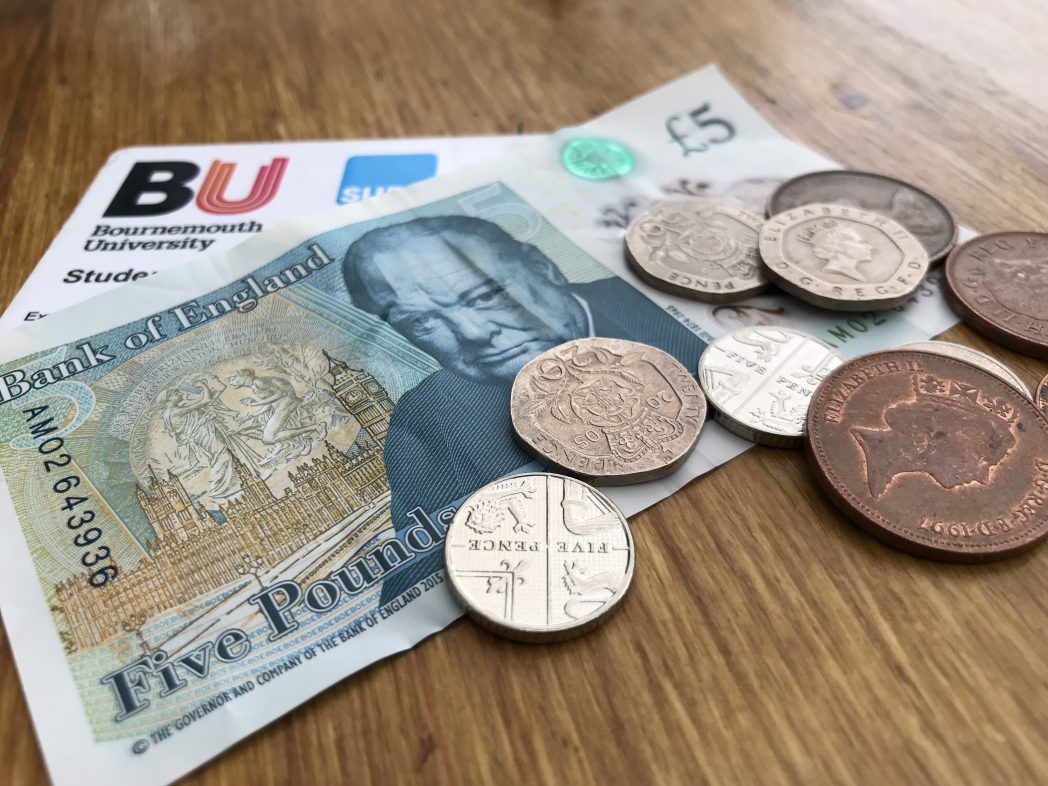
Student finance
The trade-off: some digital banks don’t offer overdrafts or credit-building products, so if building UK credit history matters to you, it’s worth checking that specifically before you commit.
If you’re unsure which type of account fits your situation, or you hit a snag with the application (rejected proof of address, confusing forms, whatever it is), SUBU Advice offers free, independent, and confidential support to BU students on money and finance, not just banking, but budgeting and financial hardship support too, if things get tight during the year. It’s worth knowing it exists before you need it, not after.
At the end of the day, what matters most is choosing the option that makes you feel confident and in control of your money. So take a breath, pick your path, and get that account sorted.
Future you will thank you!
 Malaysian student in Bournemouth: Top 5 experiences!
 Affordable living costs in Bournemouth – 5 tips for international students
 Making the most of Uni Life as an International student at BU
 How I met my first classmate at BU