Getting new ideas and meeting wonderful people at Department of Tourism and Hospitality during our Erasmus teacher exchange.
By Birgitta Nelimarkka and Johanna Rajakangas-Tolsa,
Haaga-Helia University of Applied Science, Helsinki, Finland
It was a beautiful, sunny and warm day on the 11th of April when we arrived in Bournemouth. People had warned us for the British weather but for us the city seemed to show its best. The aim of our visit was to get familiar with Bournemouth University, Department of tourism and hospitality through an Erasmus teacher exchange. Our University, Haaga-Helia University of Applied Sciences in Helsinki, Finland, and Bournemouth University has an Erasmus charter making it possible for students, teachers and other staff to exchange and share experiences and learn from each other.
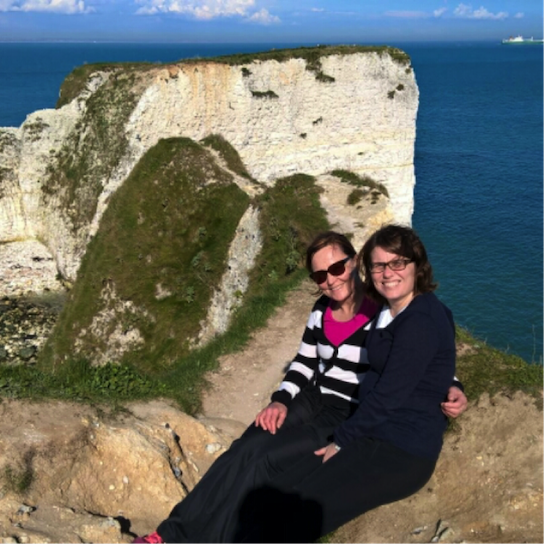
We have participated in Erasmus exchange together several times in different European Universities in Holland, Norway, Sweden, and also on a previous trip to the UK. And with every visit we get examples of good practices in teaching, students counseling or administration. And every time we meet new, wonderful people to exchange experiences and opinions with.
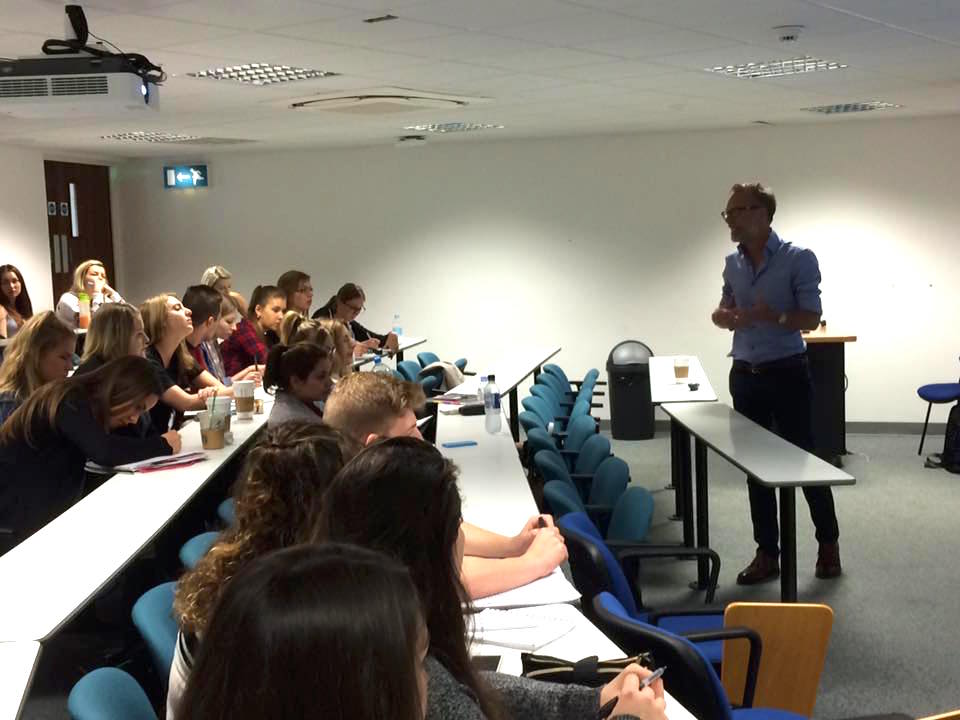
During our stay in Bournemouth we had lectures for Nutrition students who volunteered to attend the lecture, and those who came you could see were very interested in Finnish eating behavior and especially the subject of obesity in Finland. For master students doing the Food and drink unit we had two lectures in Finnish food from different perspectives with some small examples to taste. And with students doing Food, culture and society unit we were discussing Finnish food culture and did some small finger foods in the kitchen.
Our experience in Bournemouth University was a trip to remember: Your University has a lot to offer for students and your very international atmosphere was inspiring to observe. What we admired was the very detailed course book for the master’s food and drink course. Such a tool for developing and implementing a course would be a great help in everyday teaching situations.
We want to thank you for a wonderful stay in Bournemouth, especially to Dimitrios, Sean and Anne, Hanaa, and Philippa. We hope to see you soon for an exchange visit in Haaga-Helia, Helsinki.
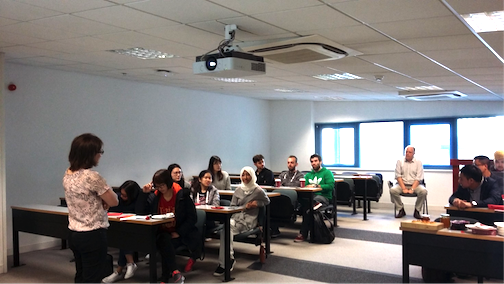
Teaching master students in the Food and drink unit
Text for picture 2:
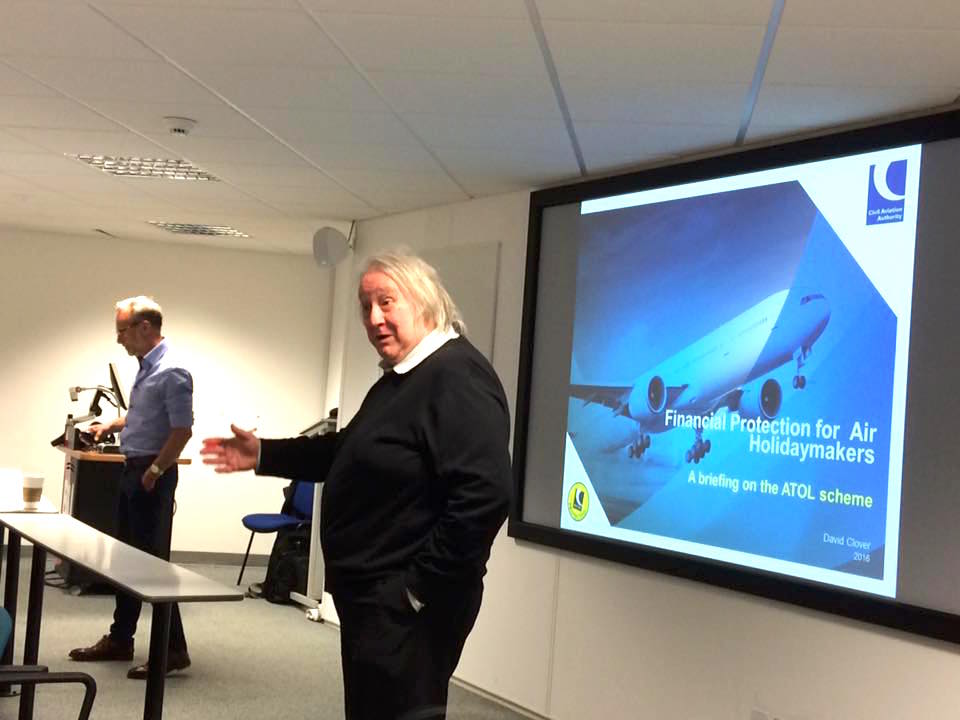 Derek Robbins welcoming David Clover from Civil Aviation Authority (CAA) is coming to give a Lecture on Air Travel Organiser’s Licence (ATOL) Financial protection for Air Holidaymakers. https://www.caa.co.uk/atol-protection/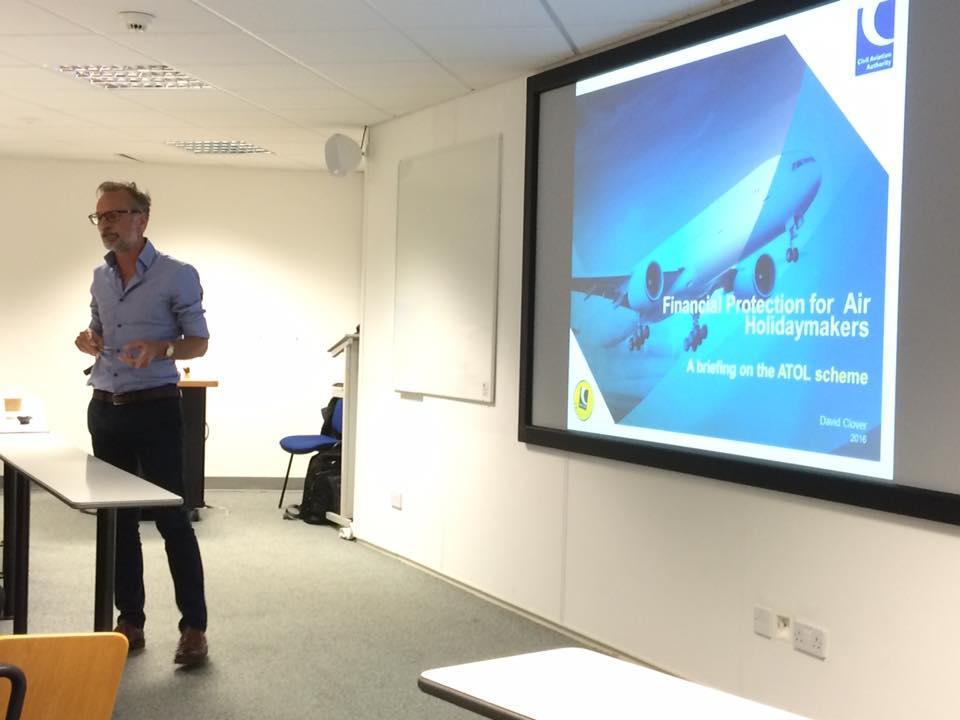
 Economics of tourism and transport, Edited by Dr Neelu Seetaram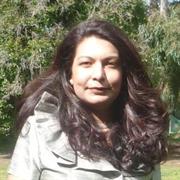




 If you want to subscribe by email to new vacancies published on the website,
 Written by
 When my course finished last April, it was time to start a new life in Europe.It was a tough time in May, because hunting for a job as an inexperienced international student is not easy at all. I have been a student for more than ten years and barely have any work experience. I am thankful to Edmund from Postgraduate Placement and Language Support at BU, who gave me precious suggestions as well as self-confidence.It was tough at first. I searched for jobs on MyCareerHub and sent my CV every day, but only received a few replies, most of them were refusals. Then, I received the first interview chance in my life! That day, I was very nervous and unfortunately the nerves got the best of me. The HR manager asked, “What do you think about our website?” I answered, “Sorry, I did not see your company’s website”. That was an embarrassing experience, but I learnt from it. Following my terrible start, I attended some interviews, calmer and cleverer. Finally, I received an invitation from Corinthia Hotel. I succeeded!
 Corinthia Hotel, Saint George’s Bay is a five star hotel located in Malta. It is a wonderful destination with luxury and elegance. After solving my visa issue, I started my journey to Malta!
 The weather in Malta is definitely hot; it is not very comfortable working in a suit and high-heeled shoes. However, the colleagues and guests are really nice people, which makes the time easier and happier. I have learnt a lot of practical things here, for example making coffee, setting cutlery and making cocktails. I have also acquired some knowledge about fine wines, desserts, and local speciality dishes from a variety of regions – and I luckily tasted them as well! Besides the work experience, I was honoured to attend the Corinthia Annual Donation Party at the end of my internship. I do like the scenery here, the sunny weather, blue sea and the old historical town. And at work, I met friendly and interesting people whom I regard as my best friends forever. I am really happy with my time in Malta!
 By Liyuan Zhang
 Damien Lee, founder of Mr Lee’s Noodles Company Ltd, is an adventurous and focused entrepreneur with a vision to create affordable, healthy fast food options, particularly for young people. (