Produced by Guest Blogger
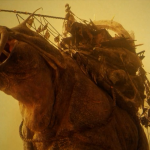
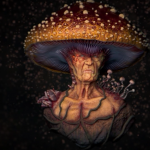
If Eldrin the Mycromancer whetted your appetite for spooky season, meet the creature behind our second Halloween feature: Nithin Pethiyagoda’s ambitious final project, built from the skeleton up.
Tell us about your final project.
“My final project was about pushing myself through the entire CG pipeline and creating something ambitious in scale. I wanted it to feel closer to real production work rather than a small, isolated exercise.”
 The most striking part is the creature itself: “The strongest parts of the project were the creature work muscle simulations and the lighting and rendering which really helped sell the realism. It wasn’t easy, the cloth and rope simulations… took a lot of time and trial and error to get right; but starting early made the difference: even earlier groundwork like gathering references and sculpting the creature’s skeleton and muscles made a huge difference.”
Which parts of the course shaped how you approach creature work?
A workshop on creature sculpting left a lasting impression: “Madeleine Scott Spencer’s creature sculpting and texturing workshop had a big impact on how I approach creature work… One moment that really stuck with me was when she talked about sculpting gravity into skin folds, which instantly made my work feel more grounded and realistic.”
Technical grounding came from elsewhere too: “Saf’s muscle simulation tutorials were also incredibly helpful. They gave me a clear understanding of Houdini’s muscle workflow and made it possible to take on a complex project without constantly getting stuck.”
What difference did the studio and equipment make?
“Having a dedicated RTX 4090 workstation, industry standard software and 24-hour studio access made a huge difference. It removed a lot of stress around heavy simulations and rendering, and I honestly would not have finished on time without it.”
What was it like getting feedback from industry professionals?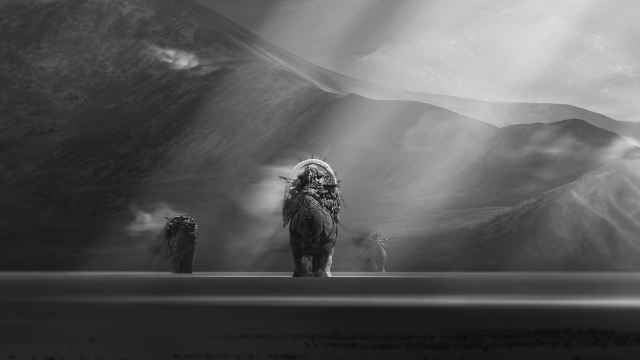
One small note changed the final film: “A small piece of feedback from a Framestore animator suggesting I stabilise the camera at the end of my film ended up significantly improving the final quality once I implemented it.”
Looking back, how has the course changed you?
“I ended up delivering everything I aimed to do, which exceeded my own expectations, as I initially thought I would only reach around seventy percent of my goals.”
Their advice to new students: “Start your final project as early as possible, even from the beginning of the course… Most importantly, enjoy the process, because all work and no play leads to burnout.”

 Meet Eldrin the Mycromancer: a graduate’s dark fantasy creation, just in time for Halloween
 Portfolio Tips – MA 3D Computer Animation, Digital Effects Application
 How I became TIGA’s Graduate of the Year