Produced by Guest Blogger
Guest blog by Osher, MSc Computer Animation and Visual Effects graduate
When I tell people I study animation, I think the first image that comes to mind is usually someone drawing characters frame by frame. So, it can be surprising when I start talking about programming, building 3D environments, rigging characters or waiting hours for something to render.
The reality is that animation is much bigger than just animating.
Before university, I had taken a short course in computer animation, so I already knew a little about modelling and animation. What I didn’t understand was just how much goes into getting from an idea to what we eventually see on screen. A production can begin with a written idea before moving into pre-production, where things like characters and environments are designed and storyboards help plan how the story will be told. Eventually, that idea starts becoming a 3D “set” inside the computer, complete with environments, characters, cameras and lights. Then there’s rigging, animation, effects, rendering, compositing and plenty more happening along the way.
At university, we get to explore many of these different parts of the pipeline.
During my first year of undergraduate study, my timetable was filled with lectures and practical lab sessions. We learned a little bit of everything, which gave us the chance to figure out what actually interested us. As the degree progressed, the work became more specialised and independent. My master’s followed a similar pattern, just packed into a much shorter and busier year. A lot of the learning is practical. One day might involve coding in Python or C++, while another could mean working in software such as Maya or Houdini. 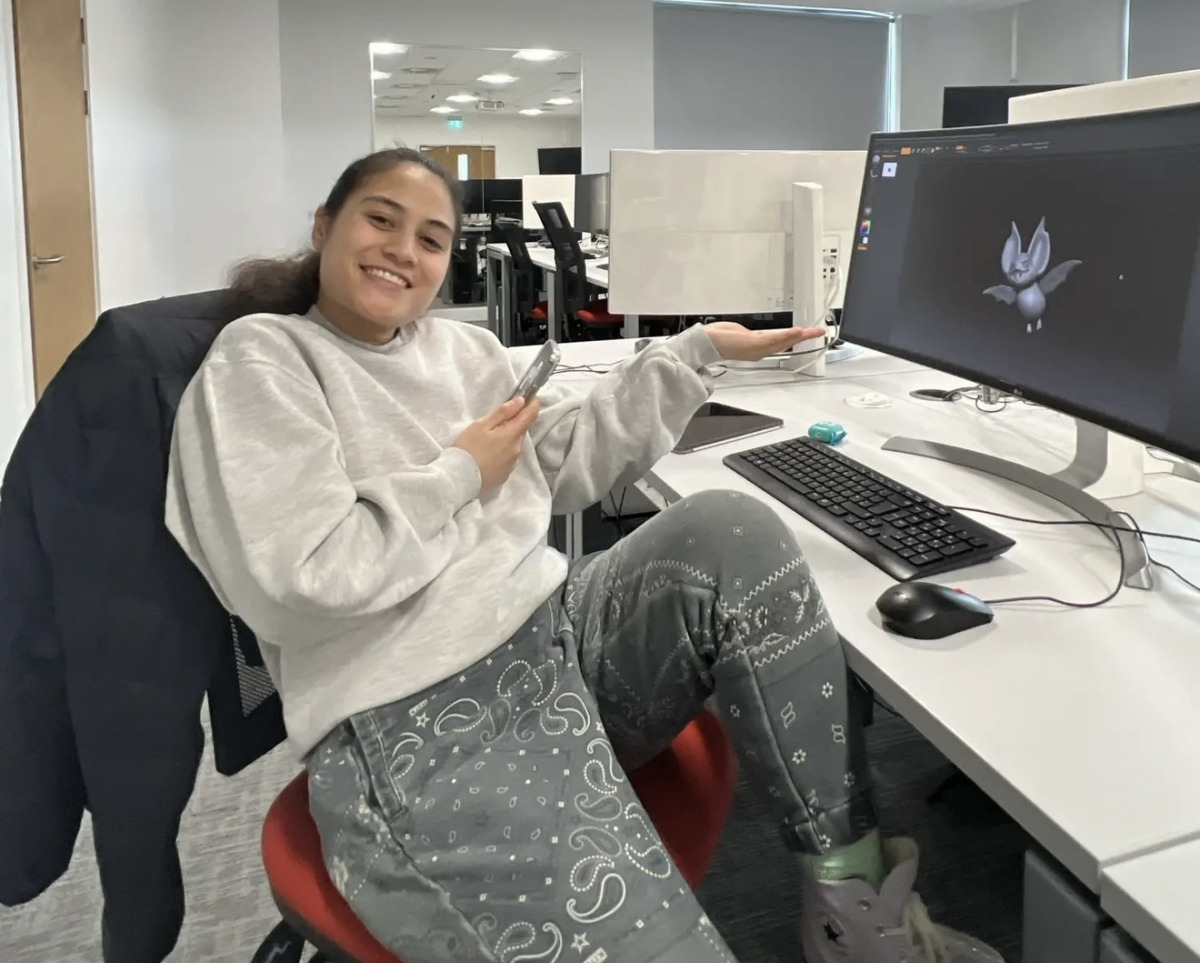
I’ve worked on everything from rigging to developing tools and plugins. And despite studying computer animation, I don’t actually spend that much time animating. It’s one part of a much larger pipeline, and my interests took me elsewhere within it. There’s also a big collaborative side. In group projects, students with different interests bring their skills together to create something none of us could make in quite the same way alone.
For my undergraduate final project, I worked with a team to create an animated short film. For my master’s final project, I went in a completely different direction and independently developed a technical tool. Having that freedom helped me discover where I fit within the industry. And not everything happens quietly behind a computer. We present our work, explain our ideas and learn how to manage projects and deadlines. Those skills matter when working in an industry where you constantly need to communicate with people specialising in completely different areas.
Of course, studying computer animation isn’t everything I do at university. I still wanted the full student experience, which for me has meant joining societies and clubs, including the Animation Society, Tennis Club and Running Society, spending time with friends and getting involved in university life outside my course. Especially when so much of my work involves sitting in front of a computer, having reasons to step away from the screen has been pretty important too!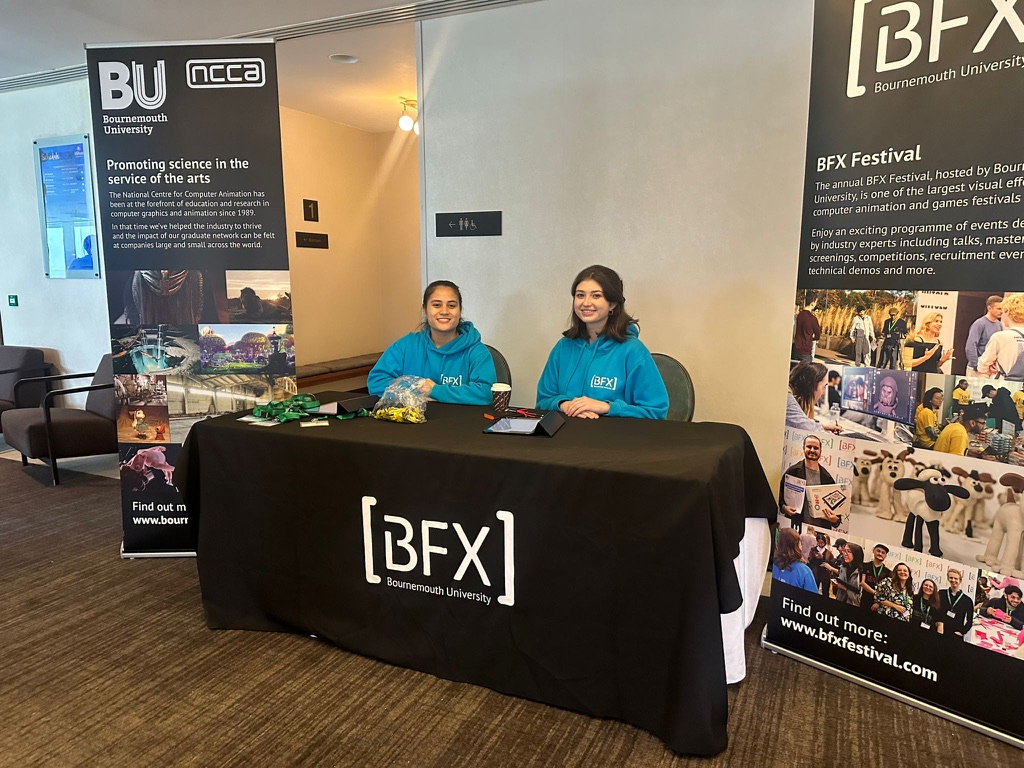
Of course, studying animation has also taught me some less glamorous lessons. Code can run perfectly and still produce something visually wrong. A render can take hours, only for you to discover an issue once it finishes. And sometimes the thing that worked yesterday simply decides it has other plans today. But there’s something exciting about being on the “other side of the screen”. Industry talks and networking events mean getting to hear from people who worked on films you recognise and asking how they actually made them.
It’s equally rewarding to watch friends’ projects finally come together after months of seeing the broken versions, experiments and problem-solving behind them.
So, what does an animation student actually do at university? The answer really depends on which part of the process interests you.
For me, it has involved plenty of coding, technical problem-solving and experimenting, alongside the creative side of computer animation. For someone else, the experience could look completely different. That’s part of what makes the field so interesting: there are so many different ways to contribute to bringing an idea to life, and university gives you the chance to discover which one feels like yours.
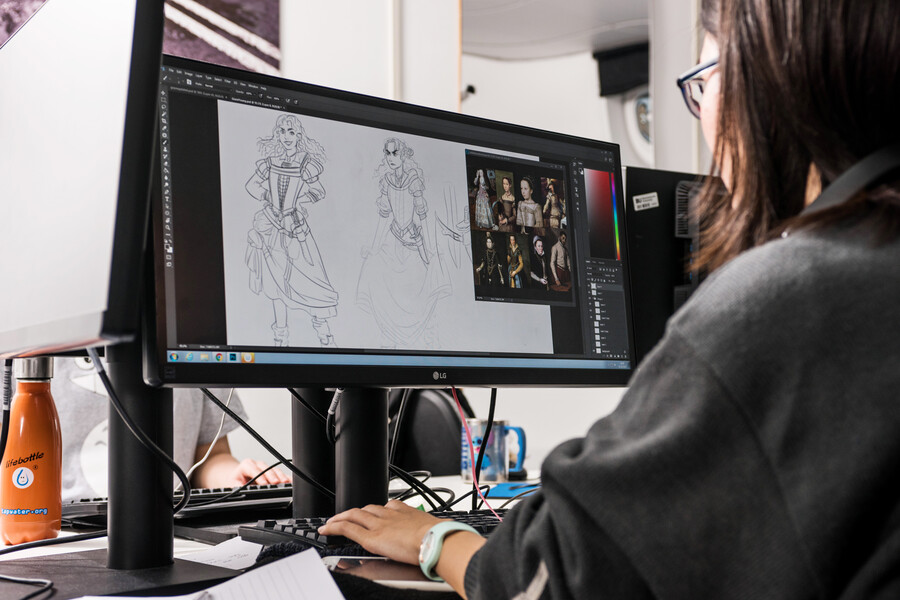
 BFX Festival – boost your animation career with BU
 From “Just Three Years” to “One More, Please”
 Making the most of Uni Life as an International student at BU
 My journey to win 50% tuition fee discount – my postgraduate scholarship story at Bournemouth University