Produced by ahutchings
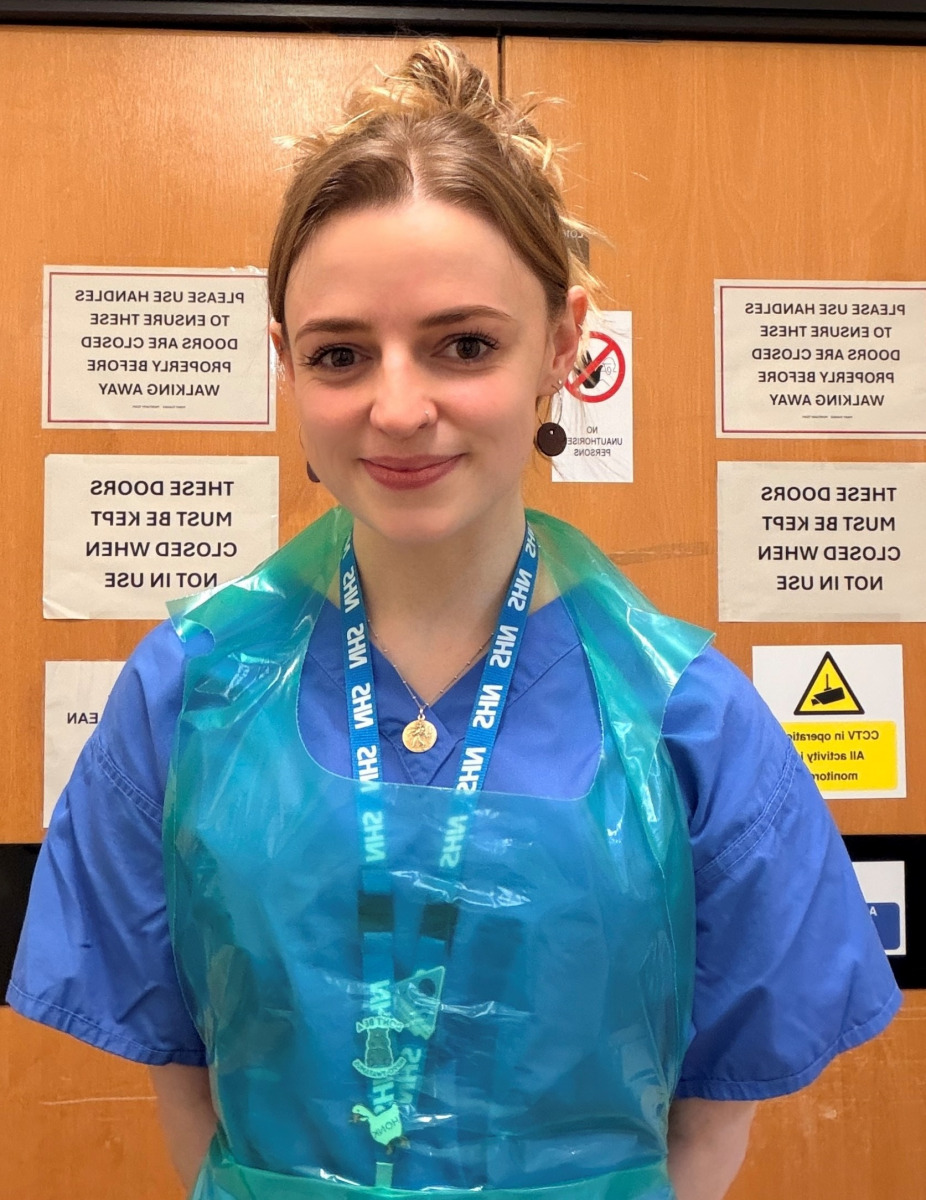
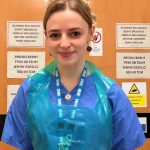
Laura Songhurst
Laura Songhurst’s journey to Bournemouth University began long before she enrolled as a mature student. Having spent her childhood visiting Dorset, she had always felt a strong connection to the area. This familiarity became a key factor in her decision to study at BU, offering both comfort and confidence as she embarked on the next stage of her academic life. When exploring potential courses, Forensic Investigation immediately stood out. It offered the unique blend of scientific depth, hands‑on application, and real‑world relevance she was looking for—particularly within a criminal context. Compared with similar courses elsewhere, BU’s practical focus and diverse module range convinced her it was the right fit.
Once on the course, Laura found herself surrounded by like‑minded individuals who shared her passion for science and forensic practice. The academic team, with backgrounds spanning various areas of the criminal justice and forensic sectors, brought an invaluable breadth of insight. Their experiences, stories, and areas of expertise helped bring the subject to life in rich and unexpected ways. Guest speakers contributed further perspectives, including professionals who had played roles in major investigations, offering students a powerful sense of the realities of working in the field. For Laura, the overall university experience was a transformative one. The independence of student life proved deeply rewarding, and she forged friendships that will last a lifetime. Most importantly, her degree opened the gateway to her dream career.
Just a few months after graduating in 2024, Laura secured a position as a Mortuary Technician with University Hospitals Sussex NHS Foundation Trust—an achievement that marked the start of an exciting and meaningful professional journey. Her role spans four hospital sites across West Sussex, where she helps care for all individuals brought into the mortuary. The team also handles cases from the wider community, meaning Laura frequently encounters traumatic or sensitive situations, including homicides, suicides, and road traffic fatalities.
One of the aspects she values most is assisting with postmortems. Working closely with the Coroner, pathologists, and various forensic specialists, she plays a part in determining a person’s cause of death—an essential process for supporting families, legal processes, and the wider justice system. Forensic postmortems, in particular, stand out as both fascinating and significantly more complex due to their potential criminal implications. They involve multidisciplinary collaboration with forensic pathologists, collision investigators, scenes of crime officers, and photographers. Knowing that her work can help provide closure for families or contribute to justice is a core part of what makes the job so rewarding.
Laura’s responsibilities have continued to expand. She has recently taken on arranging trust‑based cremations, acting in effect as a Funeral Director for patients who have no next of kin. This area of the role is both sensitive and unique, requiring empathy, professionalism, and attention to detail.
Reflecting on her path, Laura encourages aspiring forensic and mortuary professionals to gain a realistic understanding of the work involved. The field is deeply rewarding, but it requires emotional resilience, adaptability, and an openness to continuous learning—qualities she uses every day. For those willing to embrace its challenges, it offers an extraordinary opportunity to make a meaningful difference at some of the most difficult moments in people’s lives.
 Meet the BU graduates behind this year’s Oscar-nominated films
  From UG Tourism to PG Marketing
 Rediscovering her Calling: Kate Williams’ journey back to nursing
 Graduate Story: Mark Roberts – BSc (Hons) Information Systems Management, 1993