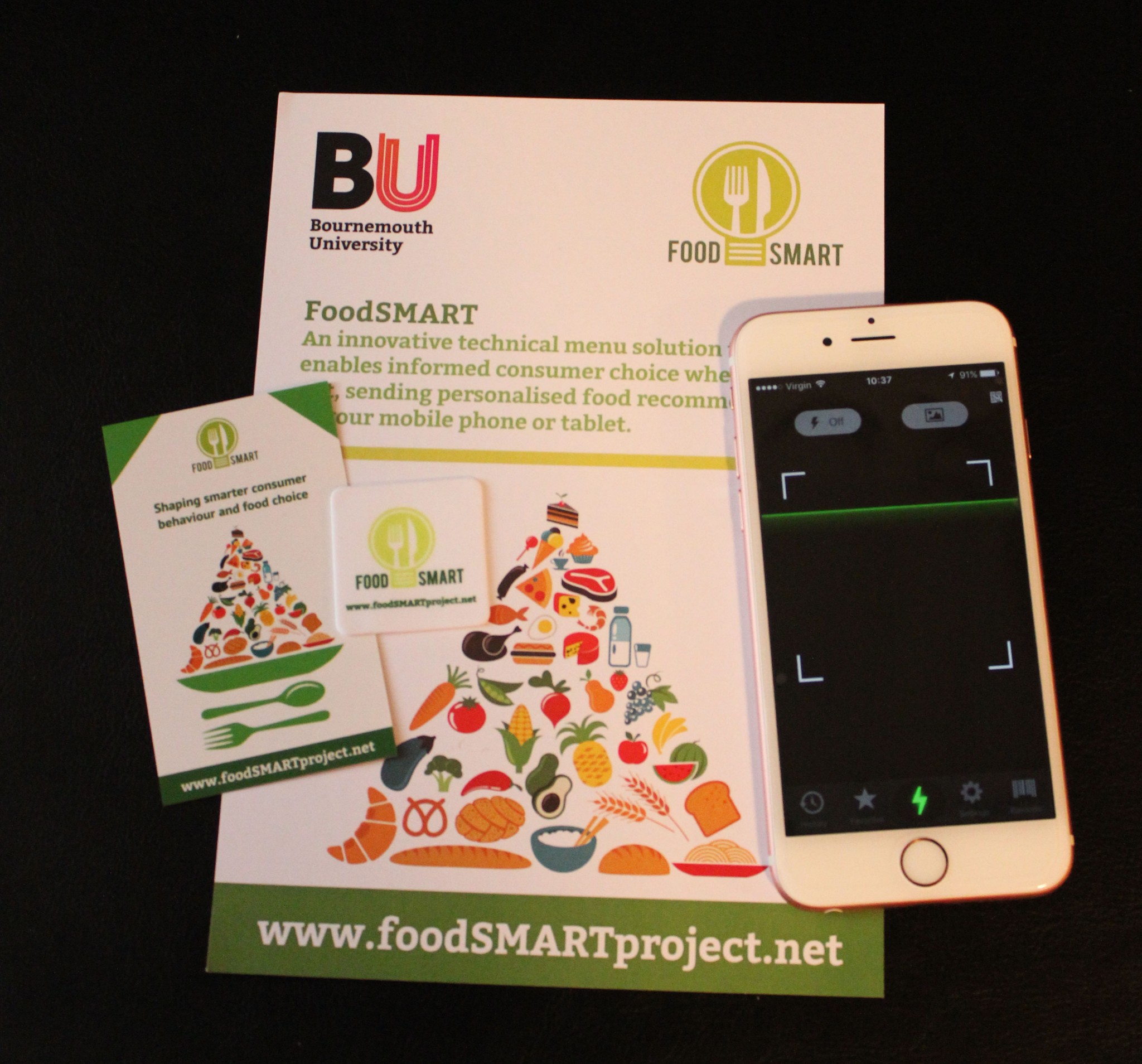
VeggiEAT: Championing Vegetable Consumption Throughout Europe

A collaborative team from Bournemouth University, led by nutrition expert Professor Heather Hartwell, are hoping to change eating habits, by encouraging healthier eating and championing vegetable consumption through a Europe-wide research project called VeggiEAT. From an early age, children are taught about the importance of eating fruit and vegetables, but a quick glance at most nutrition-based news stories will paint a very different picture, a rise of junk food, fast-food consumption and obesity. Adequate vegetable consumption is fundamental to a healthy balanced diet, however EU compliance with dietary guidelines is poor and there is a notable lack of research in this area.

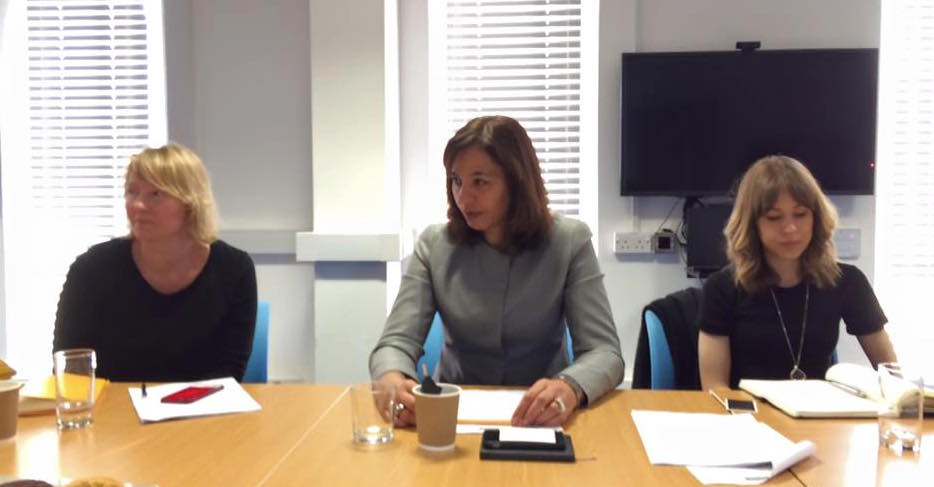
Professor Hartwell (pictured) confirms that we don’t eat the recommended 5 portions per day. She told NutritionInsight: “The majority of Europeans do not meet the WHO recommendations of 400g per day with Denmark (316g) and UK (258g) having one of the lowest fruit and vegetable intakes respectively in Europe, and children over 5 years of age having particularly poor levels whereas the French population achieve 342g. This is despite EU policy efforts focused on increasing consumption at the population level across the lifespan.”

Digital Competence Project

The eTourismLab is really pleases to launching the digital competence benchmarking project

with British Hospitality Association, Tripadvisor.com, Bournemouth Accommodation and Hotel Association (BAHA)

Bournemouth_University_logo.svgBHA-Logo-full-colour Tripadvisor-Logo-nw1BAHA cmyk - strapline

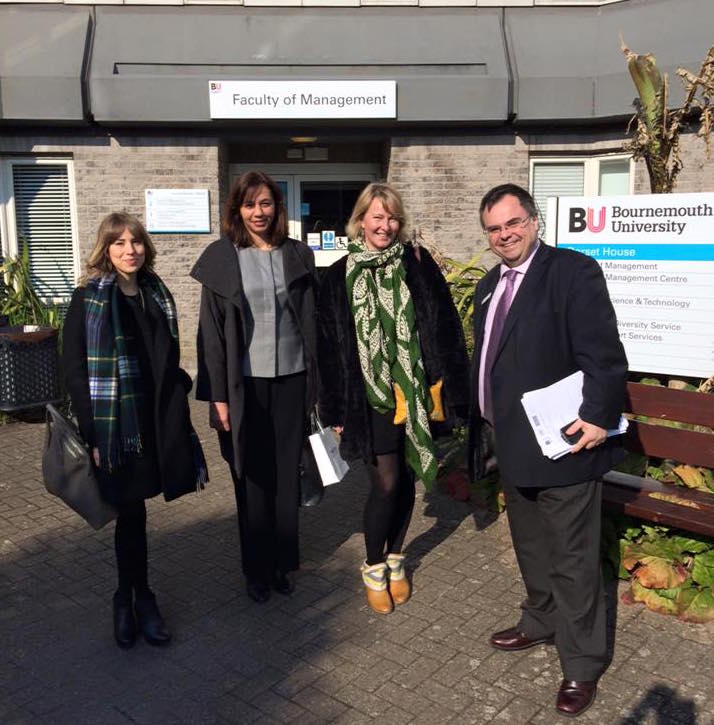
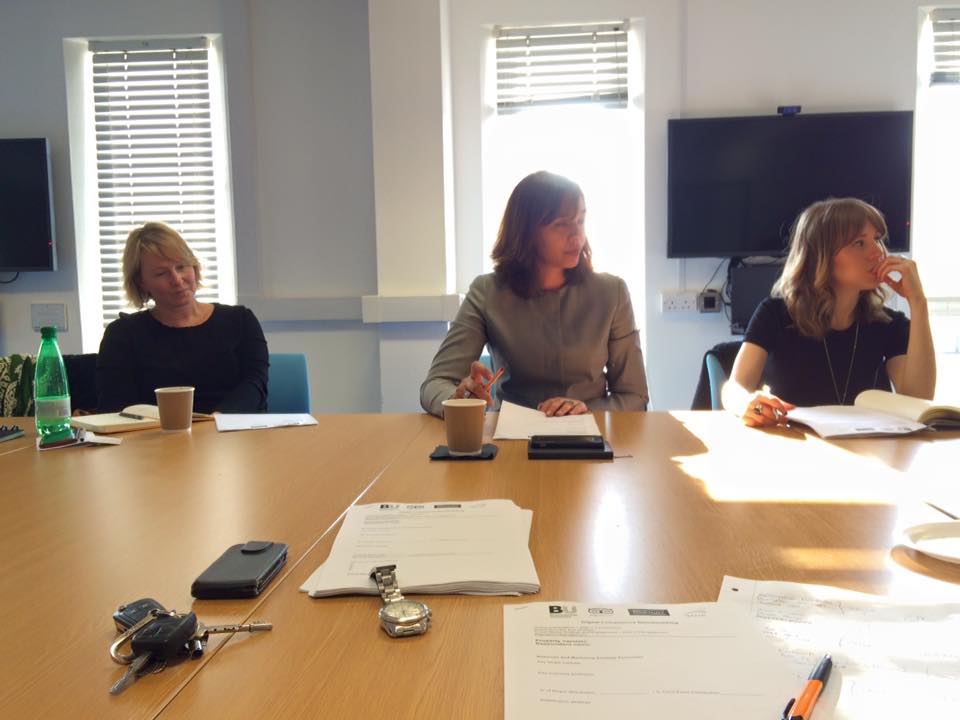
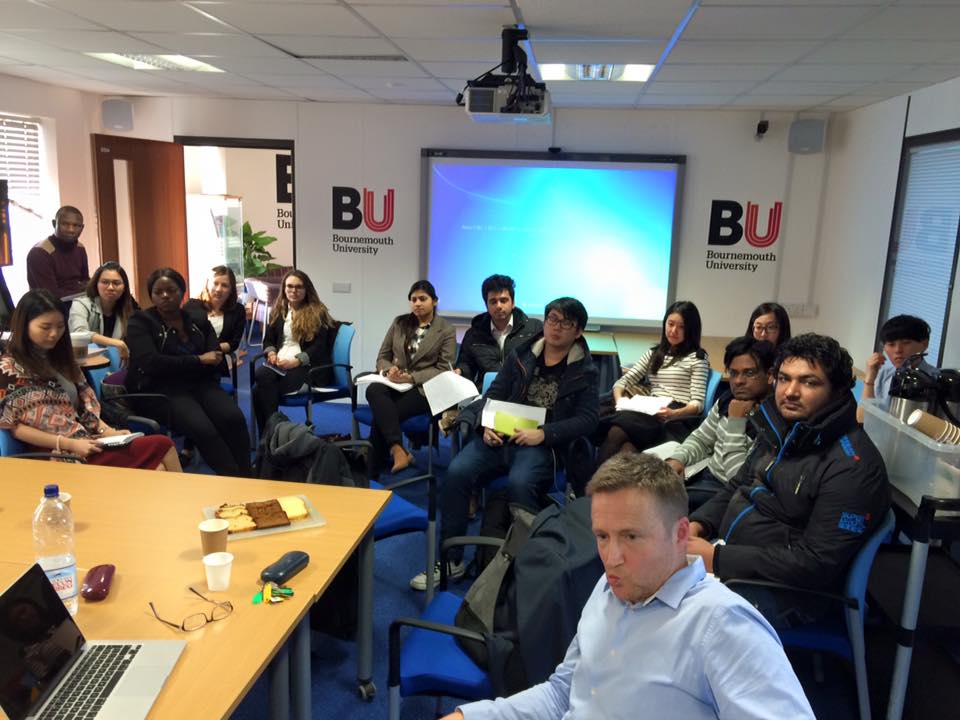
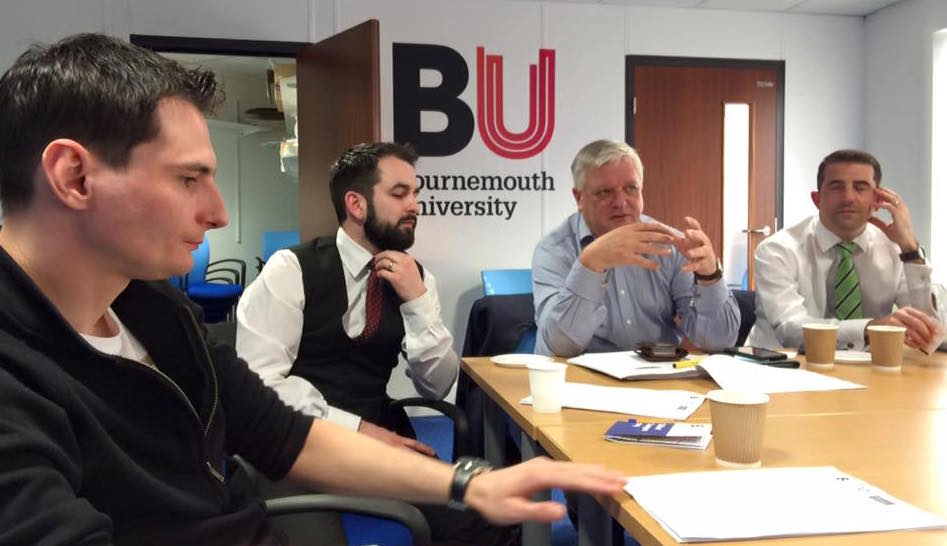
The pilot project will engage postgraduate students, Professor Dimitrios Buhalis and Dr Philip Alford from Bournemouth University, with BHA, BAHA and Tripadvisor to work with local hotel companies in Bournemouth to benchmark their digital competence in four particular areas, namely :

  • Online presentation – Web 1.0 proposition
  • Distribution Mix and Strategy
  • Social Media Strategy and engagement – Web 2.0 Engagement
  • Reputation Management
1044438_1119258811429810_4545908272149200926_n5481_1119258734763151_1186048992564142973_n 1914880_1119258458096512_8248468756566703363_n10418955_1119258721429819_1417253765699698590_n 12512346_1119258681429823_2334850607851313508_n1916264_1119258418096516_5742598623721963233_n

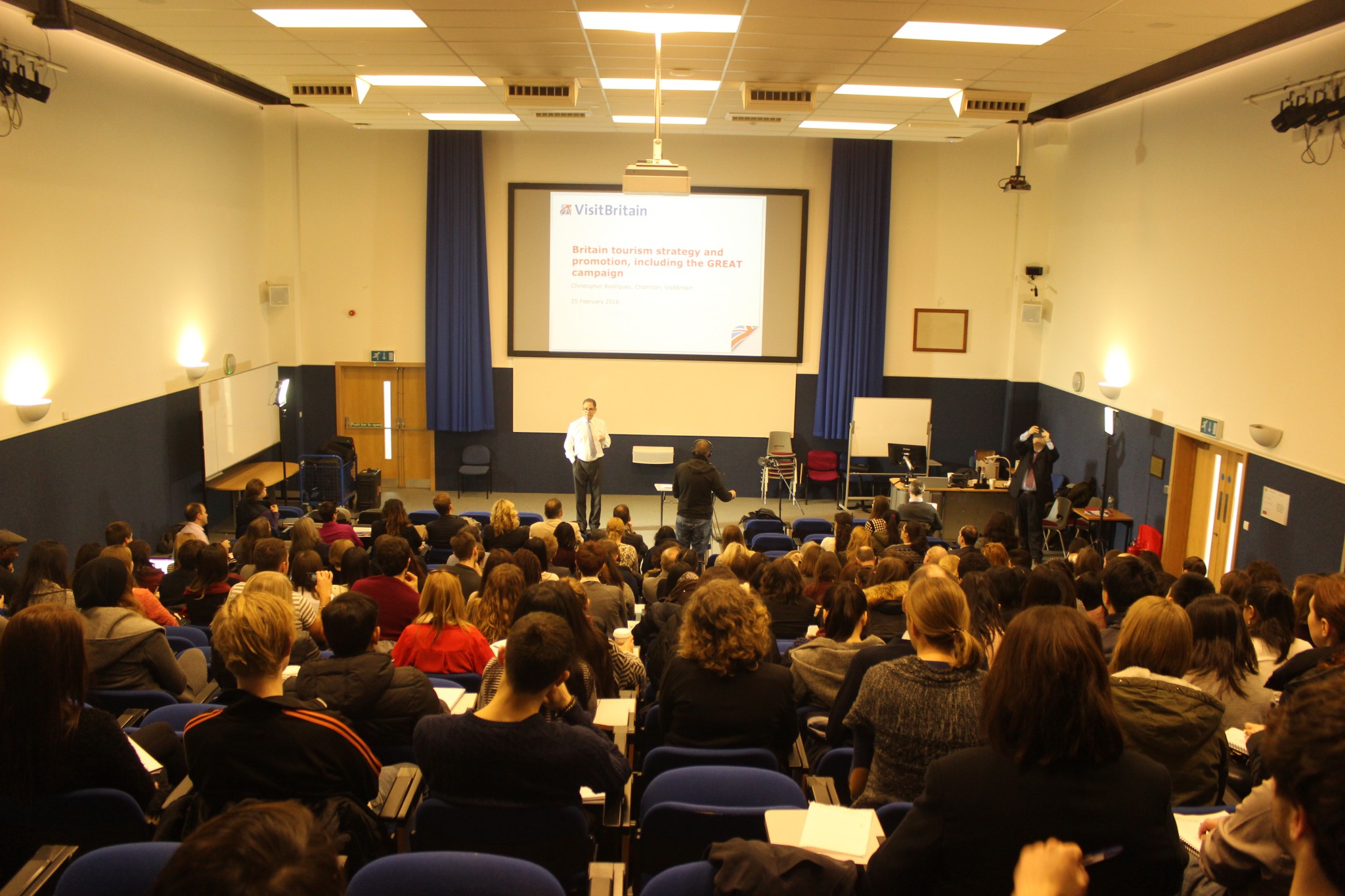
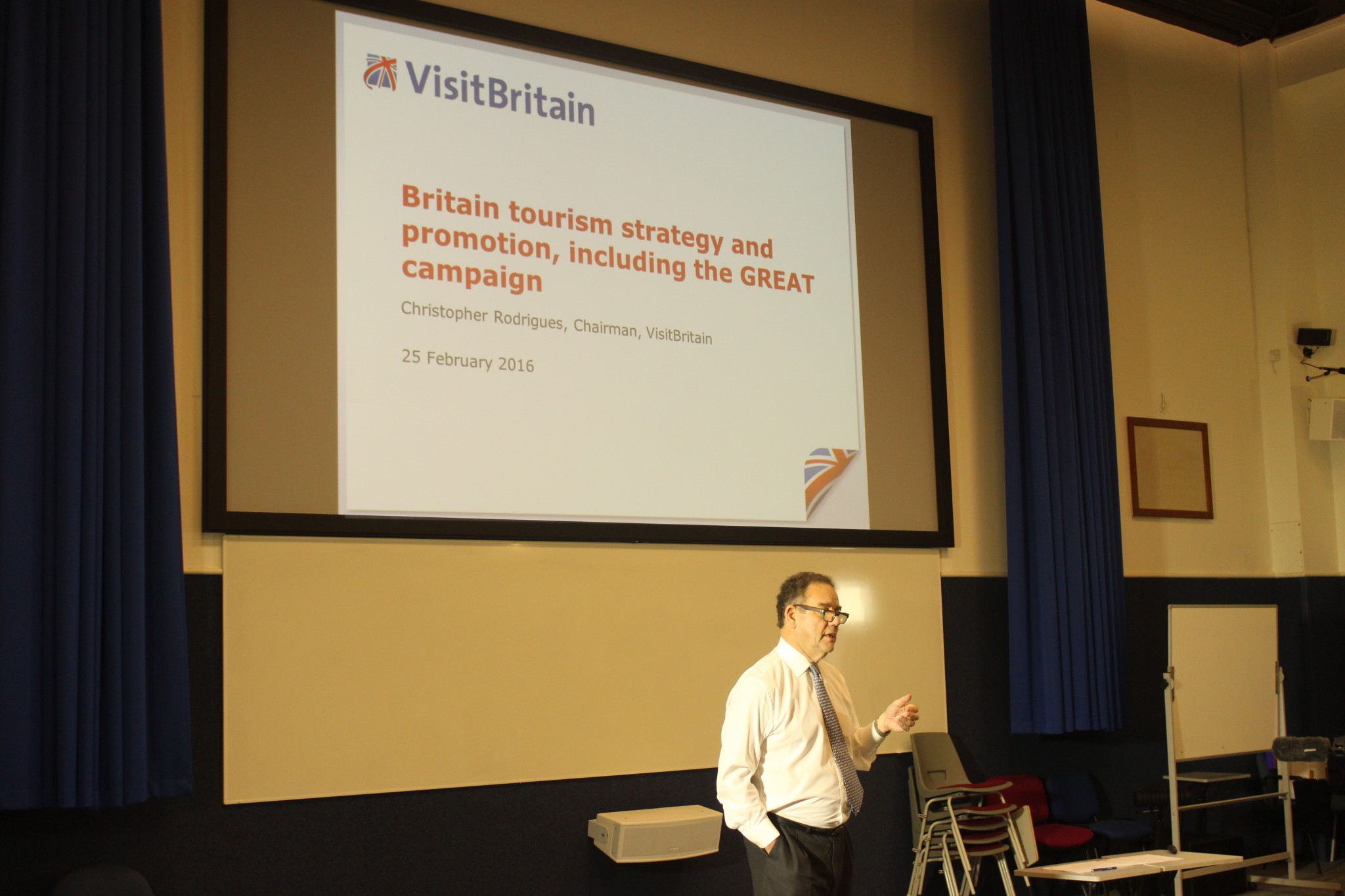
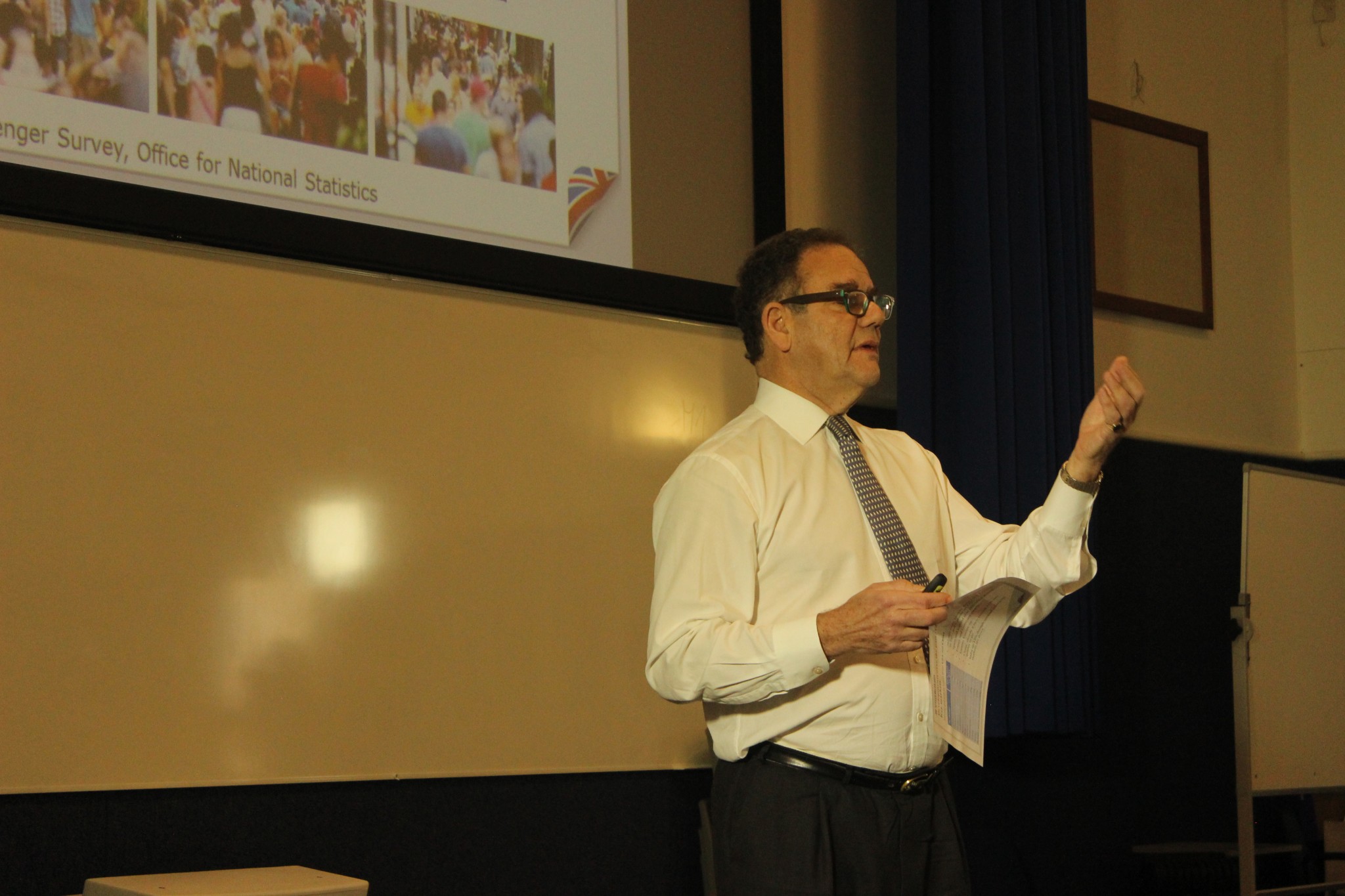
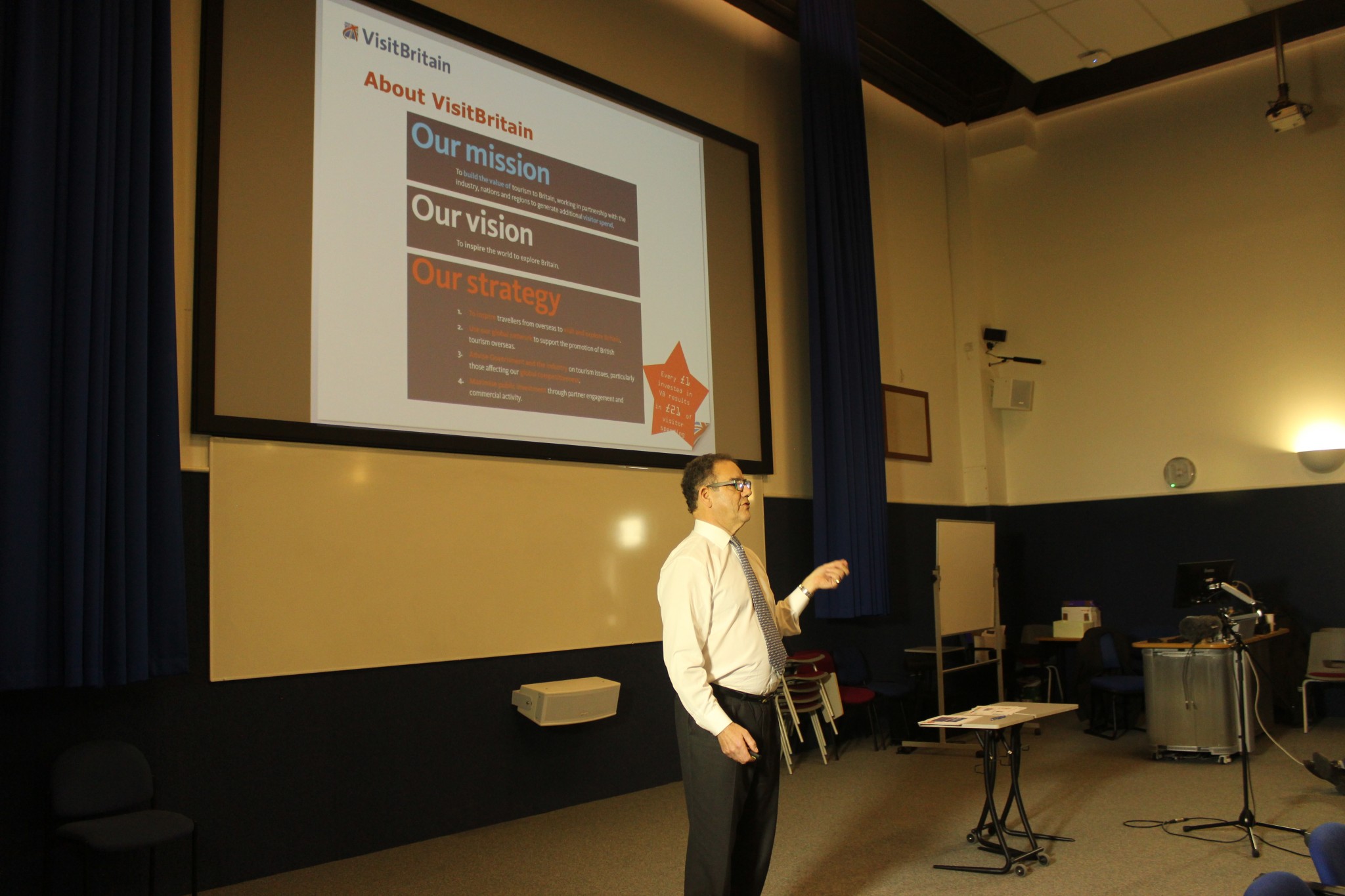
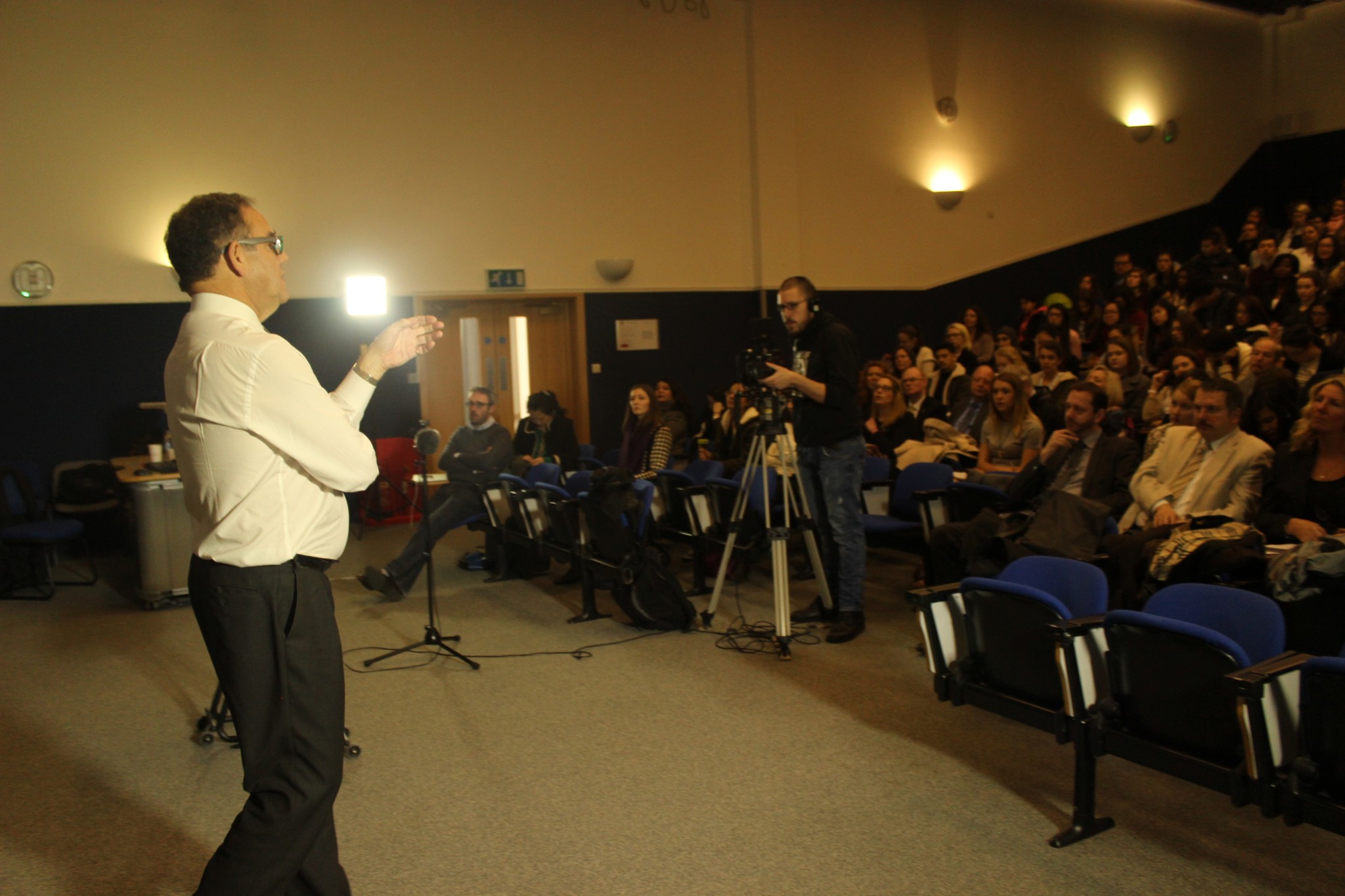
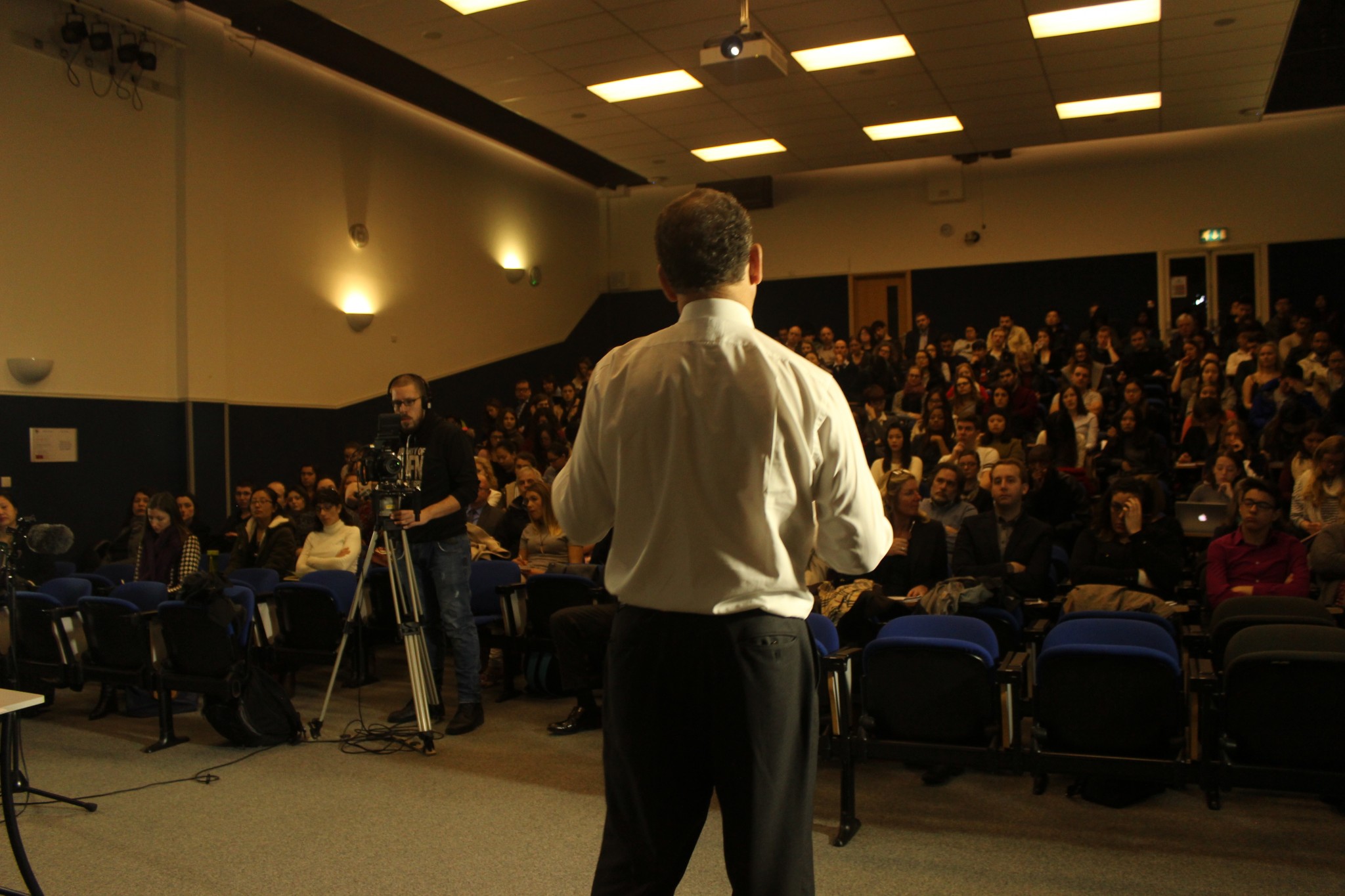
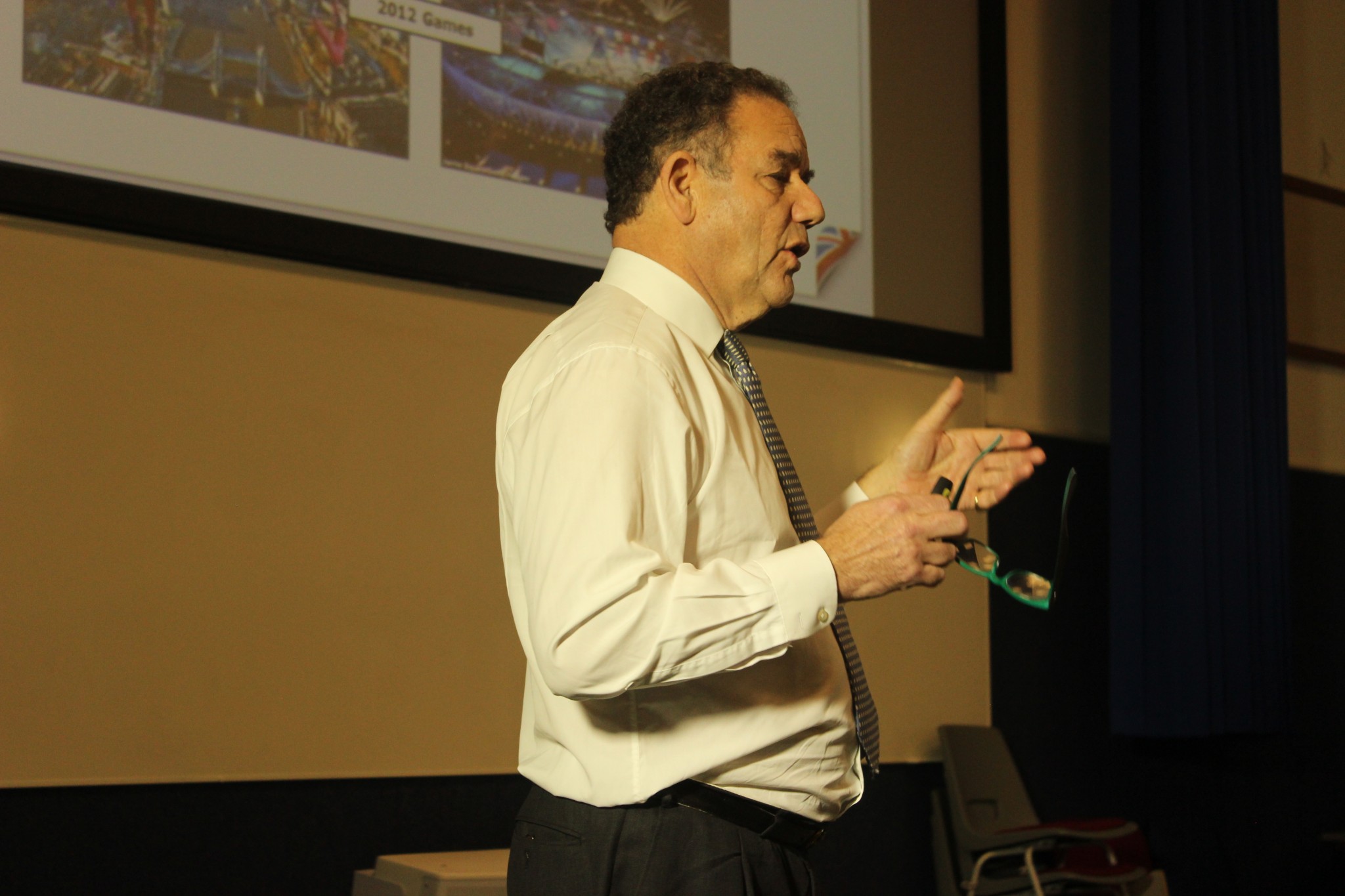
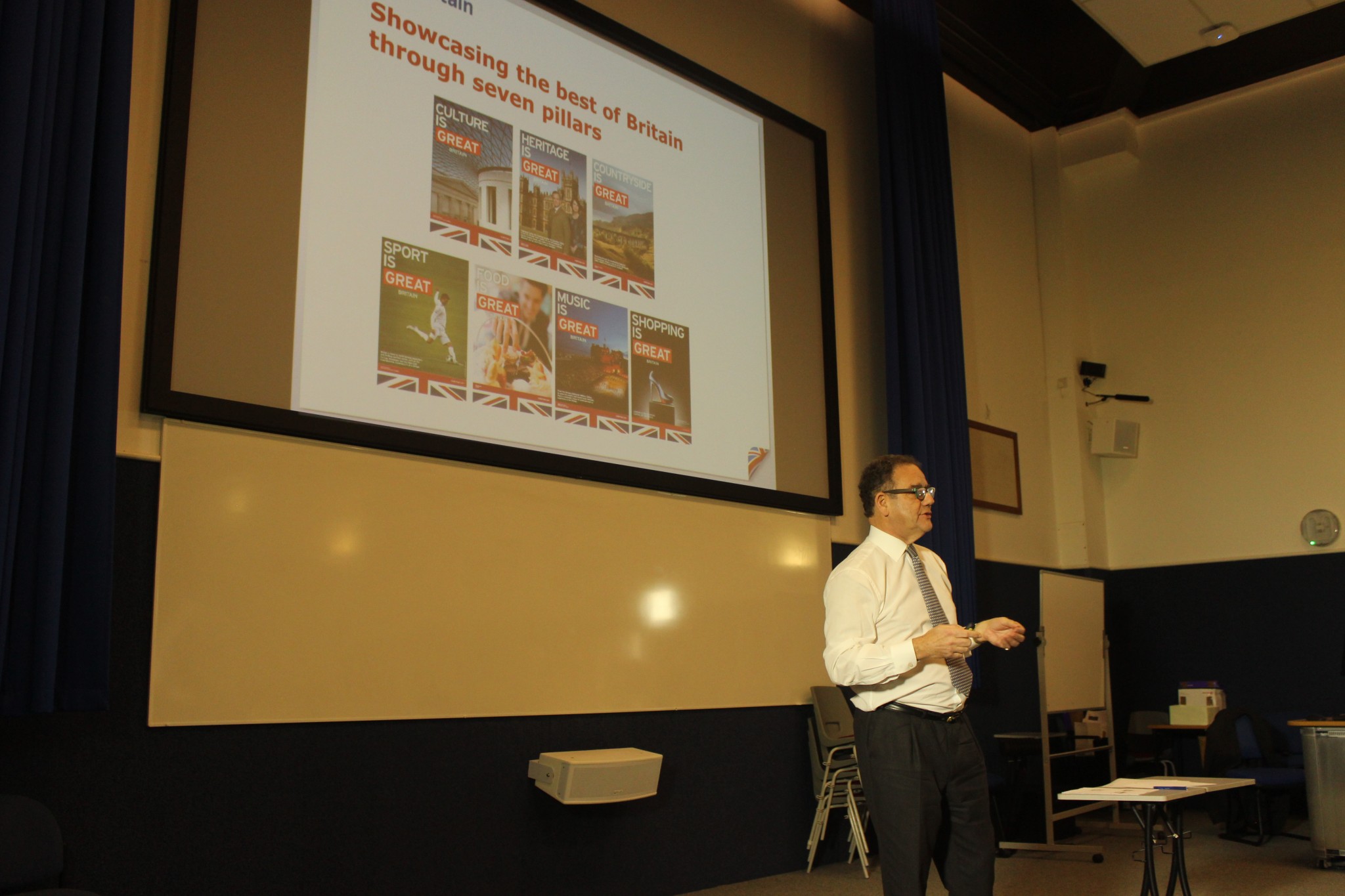
VisitBritain’s Chairman, Christopher Rodrigues CBE guest lecture on Great Britain Tourism Strategy

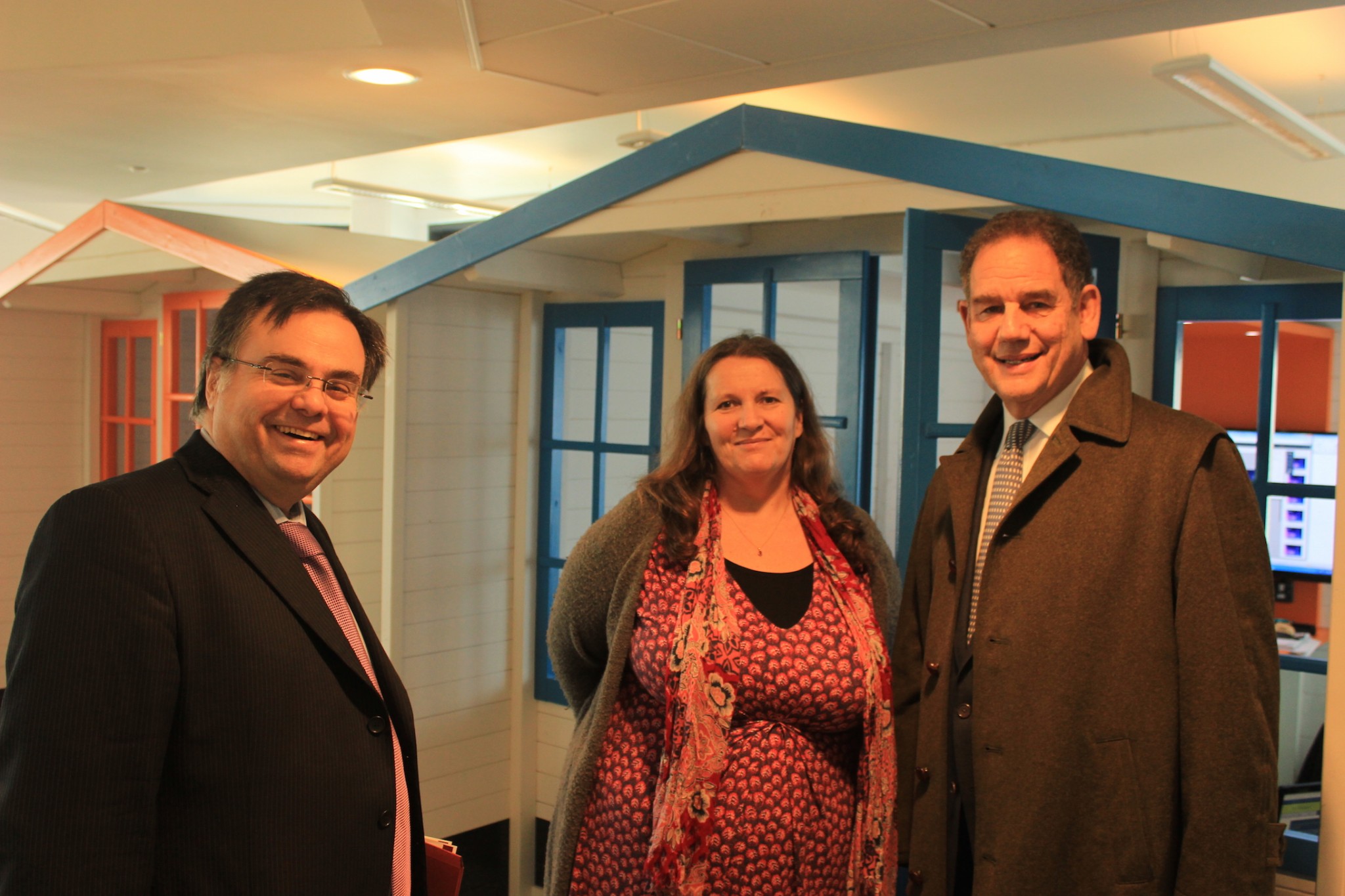
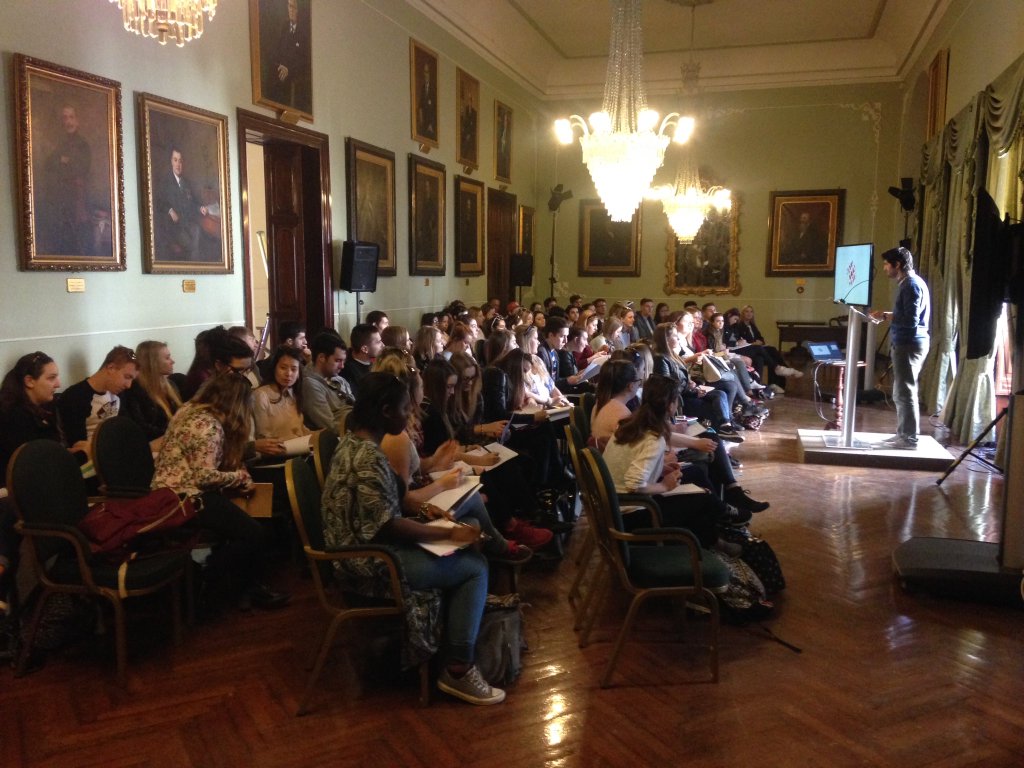
 It was a great privilege to welcome Christopher Rodriques Chairman of Visit Britain to the Department of Tourism and Hospitality Bournemouth University to talk about the Great Britain Tourism Strategy.

Christopher delivered a fascinating lecture covering all aspects of tourism planning and development and had a very interesting discussion with our students as well as local tourism industry and the CoastalBID about tourism developments and future opportunities.

 IMG_9816 IMG_9820 IMG_9860 IMG_9865 IMG_9871 IMG_9891 IMG_9899 IMG_9900IMG_9994
Christopher became Chairman of VisitBritain in January 2007. He has recently been appointed Chairman of the Port of London Authority (effective 1 January 2016) and is also Chairman of Openwork LLP and The Almeida Theatre. He is a Trustee of the National Trust and is a Vice Chairman of the World Travel and Tourism Council. In August 2013 he became the Chairman of the British Bobsleigh & Skeleton Association. His past experience includes time as President and Chief Executive of Visa International between 2004 – 2007 and Chief Executive of Thomas Cook between 1988 – 1996. https://www.visitbritain.org/christopher-rodrigues-cbe

EPSRC Balance Network Event: “Going off the Grid” Can employees really switch off during travel? –

Do we ever switch off our phones on holidays? Dr Barbara Neuhofer and Prof Adele Ladkin hosted an EPSRC Balance Network funded event last week looking into work life balance in the digital age. Fantastic speakers and panelists discussed challenges and solutions on how we can manage technologies in the 21st century and can go ‘off the grid’ if we wanted to!

Do we ever switch off our phones? Are we constantly checking emails while we are on holiday? Do we pay more attention to our online social networks that our current surroundings? Should we take a rest from 24/7 connection?

These were just some of the questions that were raised and debated during a recent half-day seminar exploring the implications of technology on our work-life balance.

Organised by Dr. Barbara Neuhofer and Professor Adele Ladkin from the Department of Tourism and Hospitality, the seminar was funded by the EPSRC’s ‘Balance Network’, a network of researchers interested in understanding and exploring work-life balance in the digital age. The event specifically sought to understand how technology affects our ability to take a rest from work, and how we might better understand the implications of the 24/7 culture for both individuals and organisations.

Dean of Faculty of Management, Prof Keith Wilkes with Event Organisers Dr Barbara Neuhofer Prof Adele Ladkin

Leisure travel, grounded in the motivation of escapism and a break from the mundane, has traditionally had the purpose of relaxing and refreshing our minds and bodies, however, are we still able to do this? Could it be that the switching of from technology has become the greatest luxury of the 21st Century?

The seminar consisted of two activities.

First, seven expert speakers were invited to present on a range of different topics, as listed below:

  • Prof Dimitrios Buhalis (Director eTourismLab, Bournemouth University): To connect or not to connect: Is this a question?
  • Celina Goddard (Design and Strategy Consultant, WeAreExperience London): The future is a connected life: Wearable technologies and ubiquitous connectivity.
  • Dr Juliet Jain (Senior Research Fellow, University of the West of England): Connected or disconnected? Technology, travel and wellbeing.
  • Dr Raian Ali (Head of Research in Computing and Informatics) and Prof Keith Phalp (Professor of Software Engineering, Bournemouth University): Technology addiction: Should digital media react against digital addiction, and how?
  • Svenja Schlachter (PhD Researcher Occupational Psychology, University of Surrey): Switching off our electronic devices during non-work time: Saving their batteries and recharging our own.
  • Karen Butters (Head of Health, Safety and Wellbeing, Bournemouth University): The role of the employer in helping to manage work-life balance within a culture of increasing mobile technologies.
  • Graham Wason (Co-founder All being well): Technology, travel, wellbeing – and the meaning of happiness?


IMG_6092 copy

EPSRC Balance Network Event Speakers and Organisers


After the break, the remaining part of the afternoon was taken up by a panel discussion, comprised of the following speakers:

Claire Steiner (Freelance HR Professional): Technology is a double-sided coin: The challenge of achieving a healthy work-life balance.
- Alice Rook (Liz Lean PR Account Executive and Twitter fanatic): The importance of switching off from social media, . Dr Sue Thomas (Author of Technobiophilia and Visiting Fellow, Bournemouth University): Ideas, apps, books and devices for nature and wellbeing in the digital age, Prof Dimitrios Buhalis and Karen Butters

IMG_6129 copy

Panel Discussion

This generated some lively debates, with audience questions being directed to the panel. At the end of the session, each panellist gave concluding remarks about what they felt was important in relation to the topic. A consensus formed around the idea that “going off the grid’ was about choice, and included in this managing expectations about acceptable limits to technology use.

Event recordings & media coverage can be accessed here:

Event recording with slides: Event Recording

Media coverage can be accessed here:

Going off the grid – BBC South Today

Can we really switch off when we’re permanently connected asks a conference at BU. Dr Barbara Neuhofer and Professor Dimitrios Buhalis are interviewed.

Can we really switch off? – BBC Radio Solent (begins at 1:22:20)

Dr Barbara Neuhofer talks about the benefits and dangers of always being connected with technology.

– See more at: http://blogs.bournemouth.ac.uk/etourismlab/#sthash.8CrykKTA.dpuf

See more at: http://blogs.bournemouth.ac.uk/etourismlab/#sthash.8CrykKTA.dpuf

Invitation to Bournemouth University FoodBIZ event – Food@BU 18th May 2016

Dear colleagues, 

This is an invitation from Professor Heather Hartwell to attend FoodBiz – the Food Research and Innovation @ BU celebration, on Wednesday 18th May 2016 at Bournemouth University, Executive Business Centre (7th floor).

This FREE event brings together industry and academic partners to celebrate our Food Research and Innovation in the Department of Tourism and Hospitality at Bournemouth University to share findings from research and to take ideas forward within the health and wellness agenda. Guest speakers include industry professionals, and an update on the latest research from Bournemouth University.
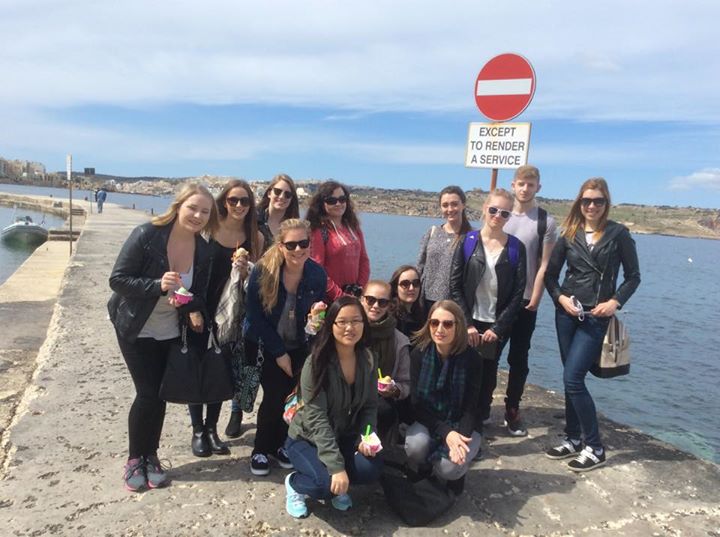
The event is aimed at businesses and organisations in a range of sectors including food, tourism, hospitality and those associated with nutrition/health operating locally, nationally and internationally.

 The programme themes include:

Food Innovation – Chair Professor Heather Hartwell

The research and innovation activities at BU exploit complementary competences and enable the sharing ofknowledge and ideas from research to market (and vice-versa).

Food@BU4U – Chair Dr Sean Beer

How can the university benefit not only the user but also the foodservice industry, creating opportunities for a business to become aligned with a lifestyle product, and as a result corporate health, in a way which is novel, innovative and demonstrates excellence in science?

Food science at work – Chair Crispin Farbrother

Bournemouth University’s research in food is international, broad and multidisciplinary. 

We look forward to welcoming you and co-creating the future of Food Research and Innovation.

Please see the agenda and register for FREE here https://www.eventbrite.co.uk/e/foodbiz-tickets-19780427792 

Follow us on Twitter: @EU_FoodSMART and visit www.foodsmartproject.net foodsmart

For more information please contact: Carmen Martins: cmartins@bournemouth.ac.uk  


Fusion Investment Fund- Santander and Erasmus funding still available

We are excited to let you know that we still have Santander and Erasmus grants up for grabs open to all staff including Professional Services. The next committee review date is 23rd November 2015.

Santander Funding

The purpose of Santander funding is to support individual staff mobility and networking with other Santander Universities in the development of research, education and/or professional practice projects. There are limited funds available. Please find a link to the list of the institutions that are part of the Santander University network and also the applicable criteria below:

  • Priority will be given to overseas travel rather than travel to another UK institution
  • Ideally awards of £5k will be made but at least priority should be given to applications close to (but not more than) that amount
  • Priority will be given to staff who intend to study or carry out research.
  • Funds should be used before the end of the academic year
  • Travel for student recruitment purposes would not normally be funded

Erasmus staff mobility

Erasmus funding supports staff who would like to train or teach in another European higher education institution. These mobility grants are provided to contribute towards subsistence and travel and the maximum grant available is €1000.

Applications

To meet our next committee review date please submit your applications for Santander or Erasmus by 23rd November at 5pm. For all the policy documents, Fund FAQs and information about applying, please visit the FIF website

Please direct all initial enquiries to the Fusion Investment Fund Co-ordinators Sue Townrow and Sarah Olliffe at Fusion Fund.

Nicky Havelaar, MD at Crown, gives her view on the value of Internships

Nicky Havelaar, MD at Crown, has recruited a number of Placement students from Bournemouth University and gives her view on the value of internships.

Nicky Havelaar

With internships and apprenticeships high on the business agenda, the events industry has been at the forefront of welcoming graduates and championing placement schemes that give aspiring eventprofs real life exposure to our industry. Nicky Havelaar, MD at Crown, explains why companies need to be responsible to interns to nurture future talent.

Internships have a long tradition of being a shoe-in to a job or industry. However, it comes with the stigma that interns will be stuck with grunt work and performing the mundane tasks no one else in the office wants to do.

Whilst this remains true at some organisations and time is needed to shift these perceptions, the reality is, internships are just as beneficial to companies as it is to the intern themselves.

Companies that have a structured programme that facilitates learning with practical applications benefit from nurturing the talent of future employees, potential rising stars in their industry, and who knows, quite possibly the next Angela Ahrendts , Es Devlin or Zaha Hadid.

The training I had in my first role gave me confidence and a solid grounding in the industry. It was an unparalleled opportunity to bond with the team and inspired a deep loyalty to the organisation. This is a culture we have sought to instil at Crown. Some of our longest serving members of staff have been in their roles for over 15 years, having worked their way up to the top of the organisation from entry-level positions. We strive to give individuals the confidence to exploit their talent and make a good impression, with us and elsewhere.

Crown not only commits to Growing Brand Belief for their clients, we instil an equally greater belief in our staff. With this mentoring philosophy, we conceived “Green Shoots”, our internship programme that employs undergraduates on an industrial placement for a year, and throws them on a steep learning curve into the events industry with real, frontline exposure on projects. Recruitment for Green Shoots is unique. Interns are determined by their level of potential, coupled with business acumen and emotional intelligence. This approach to recruitment is key to staff success at Crown and allows an individual to shine and excel on their own merits.

After their time with us, interns go on to complete their university studies. After graduation, one intern will be offered a full-time role at Crown. This cycle will then repeat itself year-on-year, and within four years, promotion to a specialist role is anticipated.

Along with the structure of their programmes, it is essential that companies take a considered approach to recruiting candidates. Internships are a two-way street. Interns with the determination and the aptitude to want to learn and succeed will be the ones to benefit from their time at a company. Companies that offer an educational programme with exposure on real live projects, coupled with access to the expertise of their existing team are the innovators at the forefront of their industries.

Programmes such as Green Shoots sends a strong message to interns and staff alike, that the company they work for truly values their people, instilling trust and respect into the culture that inherently supports their own internal engagement. Replenishing roles and bringing up the next generation of talent is a responsibility all organisations need to be involved in.