IP for Global Sustainability

Reflecting on the Leverhulme Visiting Professorship on Intellectual Property & International Business

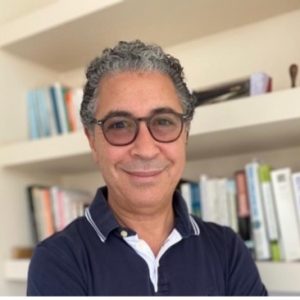
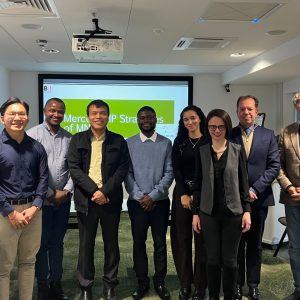
The Leverhulme Visiting Professorship awarded to Dr Suelen Carls was conceived not simply as a visiting appointment, but as a curated programme of intellectual exchange, designed to deepen interdisciplinary research, strengthen internationalisation, and embed global perspectives within CIPPM’s teaching and research culture. Over six months, the Professorship hosted Professor Mohamed Amal, an internationally recognised scholar… Read more » about Reflecting on the Leverhulme Visiting Professorship on Intellectual Property & International Business

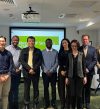
Leverhulme Visiting Professor Mohamed Amal delivers programme on Intellectual Property and International Business

In 2024, Dr Suelen Carls was awarded a prestigious Leverhulme Visiting Professorship to host Professor Mohamed Amal for a six-month residency at CIPPM/BU. Professor Amal, a worldwide renowned scholar in the field of International Economics and Business has extensive experience in Latin America and will explore the key connections between international business, international law, and Intellectual Property (IP)… Read more » about Leverhulme Visiting Professor Mohamed Amal delivers programme on Intellectual Property and International Business

Suelen Carls: “Net-zero Emissions and Food Security: Using Patents to Promote Sustainable Innovation and Technology Transfer in the Food and Agriculture Sector”

Suelen Carls, Net-zero Emissions and Food Security: Using Patents to Promote Sustainable Innovation and Technology Transfer in the Food and Agriculture Sector in Hilty R., (ed), Kreation Innovation Märkte – Creation Innovation Markets (Springer-Verlag, 2024), pp. 593-602 The food and agriculture sector faces significant challenges in ensuring sustainable innovation and technology transfer to promote food… Read more » about Suelen Carls: “Net-zero Emissions and Food Security: Using Patents to Promote Sustainable Innovation and Technology Transfer in the Food and Agriculture Sector”